Pesticide and Spraying PPE in Kenya
Protect pesticide applicators, spraying teams, chemical handlers and greenhouse employees with personal protective equipment selected for agricultural chemical handling and application tasks.
Bansi Safety Gear supplies pesticide spraying PPE in Kenya, including chemical-resistant gloves, respirators, protective coveralls, safety goggles, face shields, gumboots, aprons and emergency-response equipment.
PPE for Pesticide Handling and Spraying Teams
Employees involved in pesticide preparation, mixing, loading, spraying, equipment cleaning and chemical storage may be exposed through inhalation, skin contact, eye contact or accidental splashes.
Protection Before Spraying
Workers preparing and mixing agricultural chemicals may require gloves, eye protection, respiratory protection, aprons, protective clothing and suitable footwear.
Protection During Application
Spraying teams should use PPE suitable for the chemical being applied, the application equipment, environmental conditions and the expected exposure level.
Why Pesticide Spraying Teams Need Suitable PPE
Agricultural chemicals can enter the body through breathing, skin contact, eye exposure or accidental ingestion. Suitable PPE helps reduce these exposure routes when supported by safe handling procedures.
Reduce Skin Contact
Chemical-resistant gloves, coveralls, aprons and gumboots help reduce direct contact with pesticide concentrates, diluted mixtures and contaminated surfaces.
Protect the Respiratory System
Suitable respirators may help protect workers from pesticide mist, vapours, dust or other airborne contaminants where respiratory protection is required.
Protect Eyes and Face
Safety goggles and face shields help reduce exposure from splashes during mixing, spraying, decanting and equipment cleaning.
Protect Feet and Lower Legs
Chemical-resistant gumboots help protect workers walking through treated areas, wet surfaces and locations where chemical splashes may occur.
Support Safer Chemical Handling
Standardised PPE requirements help supervisors ensure employees use appropriate protection before handling or applying agricultural chemicals.
Improve Procurement Planning
A defined spraying PPE list helps procurement teams order suitable products, replacement stock, correct sizes and compatible components.
How Pesticide Exposure Can Occur
Understanding possible exposure routes helps farms select suitable PPE and develop effective chemical-handling procedures.
Inhalation
Workers may breathe pesticide mist, vapour, dust or contaminated air during mixing, spraying, entry into treated areas or equipment cleaning.
- Use suitable respiratory protection where required
- Confirm the correct filter or cartridge
- Ensure the respirator fits correctly
- Replace filters according to instructions
Skin Contact
Pesticides may contact the hands, arms, legs or body through splashes, leaks, contaminated equipment or treated vegetation.
- Wear chemical-resistant gloves
- Use protective coveralls
- Wear suitable gumboots
- Remove contaminated clothing safely
Eye Contact
Splashes and airborne droplets may reach the eyes during chemical mixing, decanting, spraying or cleaning.
- Wear safety goggles
- Use a face shield for higher splash risk
- Keep emergency eyewash accessible
- Train workers on emergency flushing
Accidental Ingestion
Contaminated hands, food, drinking containers or smoking materials may result in accidental pesticide ingestion.
- Wash hands before eating or drinking
- Keep food away from chemical areas
- Do not reuse pesticide containers
- Provide suitable washing facilities
Contaminated PPE
Incorrect removal, storage or cleaning of PPE may transfer pesticide residues to the employee, vehicle, changing area or home.
- Separate contaminated PPE
- Follow decontamination procedures
- Store clean and used PPE separately
- Replace unsuitable or damaged PPE
Equipment Leaks and Spills
Damaged hoses, tanks, pumps, nozzles or containers may expose workers to concentrated or diluted pesticides.
- Inspect equipment before use
- Keep spill-control materials available
- Wear suitable chemical PPE
- Report damaged equipment immediately
Pesticide Tasks and Recommended Protection
PPE requirements may differ between chemical mixing, spraying, equipment cleaning, storage and entry into previously treated areas.
Chemical Mixing and Loading
Mixing concentrated products may create a higher splash and exposure risk than routine application.
- Chemical-resistant gloves
- Safety goggles
- Face shield where required
- Chemical-resistant apron
- Protective coveralls
- Suitable respirator
- Chemical-resistant gumboots
Knapsack Spraying
Operators may be exposed to leaks, spray drift, contaminated straps and treated vegetation.
- Suitable respirator
- Chemical-resistant gloves
- Protective coveralls
- Safety goggles
- Gumboots
- Head protection where specified
Motorised Spraying
Motorised equipment may generate greater spray volumes, noise and airborne mist.
- Suitable respiratory protection
- Eye and face protection
- Chemical-resistant gloves
- Protective coveralls
- Safety gumboots
- Hearing protection where required
Greenhouse Spraying
Enclosed greenhouse environments may increase heat, humidity and airborne chemical concentrations.
- Suitable respirator and filters
- Chemical-resistant gloves
- Protective clothing
- Safety goggles
- Gumboots
- Ventilation controls
Cleaning Spraying Equipment
Residues may remain inside tanks, hoses, pumps, nozzles and protective equipment.
- Chemical-resistant gloves
- Safety goggles
- Protective apron
- Coveralls
- Gumboots
- Suitable respiratory protection where required
Chemical Store Handling
Employees receiving, arranging or issuing pesticides may be exposed to damaged containers, leaks or spills.
- Chemical-resistant gloves
- Safety footwear or gumboots
- Eye protection
- Protective clothing
- Spill-response equipment
- Suitable safety signs
Re-Entry Into Treated Areas
Workers entering treated areas should follow the stated re-entry interval and the farm's chemical safety procedures.
- Suitable gloves
- Protective clothing
- Safety footwear
- Respiratory protection where specified
- Observe re-entry signs and restrictions
Spill Response
Employees responding to a pesticide leak or spill may require enhanced protection based on the product and quantity involved.
- Chemical-resistant gloves
- Chemical suit or protective coveralls
- Safety goggles and face shield
- Suitable respirator
- Chemical-resistant gumboots
- Spill-control products
Recommended PPE for Pesticide Spraying Teams
The final selection should follow the pesticide label, safety data sheet, manufacturer instructions and the farm's workplace risk assessment.
Chemical-Resistant Gloves
Gloves designed to reduce hand exposure during pesticide mixing, spraying, equipment cleaning and spill response.
Respirators and Filters
Respiratory protection for pesticide mist, vapours, dust and other airborne contaminants where required.
Protective Coveralls
Reusable or disposable protective clothing designed to reduce contamination of the worker's skin and personal clothing.
Safety Goggles
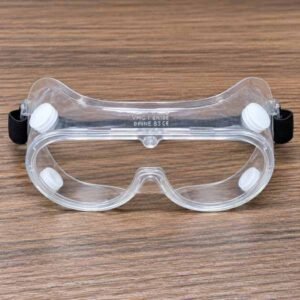
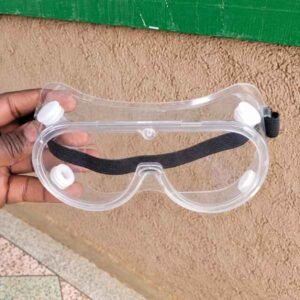
Close-fitting eye protection for mixing, decanting, spraying and cleaning tasks where chemical splashes or droplets may occur.
Face Shields
Additional face protection for high-splash activities. Face shields should normally be used with suitable primary eye protection.
Chemical-Resistant Gumboots
Waterproof footwear for protecting feet and lower legs from splashes, treated surfaces and contaminated water.
Chemical Aprons
Additional front-body protection during pesticide mixing, decanting, equipment washing and other splash-risk activities.
Emergency Eyewash
Emergency flushing products for pesticide mixing points, chemical stores, spraying stations and equipment-cleaning areas.
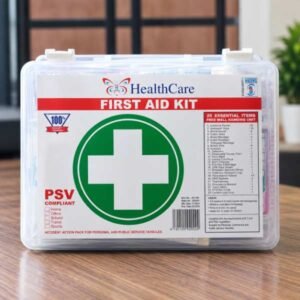
First Aid Kits
Accessible first aid supplies for managing workplace injuries while appropriate medical assistance is arranged.
Shop Pesticide Spraying PPE
Browse PPE categories suitable for agricultural spraying, chemical handling, equipment cleaning and flower farm chemical stores.
Chemical and Protective Gloves
-
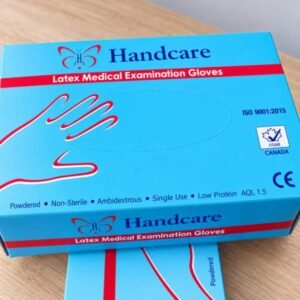
Hand Protection Gloves Kenya, Nitrile Safety Gloves, Safety Gloves, Surgical Gloves
Handcare Powdered Latex Medical Examination Gloves
Original price was: KSh 1,200.00.KSh 750.00Current price is: KSh 750.00. + VAT Order via WhatsApp -
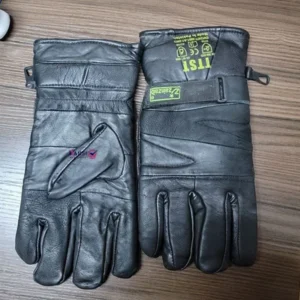
Hand Protection Gloves Kenya, Leather Gloves, Safety Gloves
Leather Riders Gloves Kenya
Original price was: KSh 2,000.00.KSh 1,500.00Current price is: KSh 1,500.00. + VAT Order via WhatsApp -
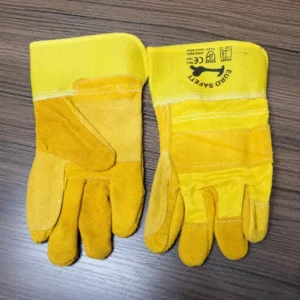
Hand Protection Gloves Kenya, Leather Gloves, Safety Gloves
Yellow Palm Gloves Kenya
Original price was: KSh 500.00.KSh 300.00Current price is: KSh 300.00. + VAT Order via WhatsApp -
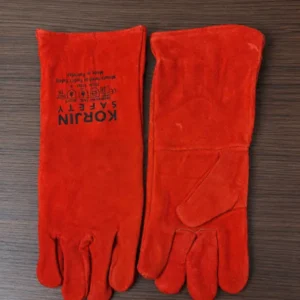
Hand Protection Gloves Kenya, Leather Gloves, Safety Gloves
Red Leather Welding Gloves 16 Inch Kenya
Original price was: KSh 650.00.KSh 550.00Current price is: KSh 550.00. + VAT Order via WhatsApp
Respiratory Protection
-
Dust Mask, KN95 Masks, Respiratory Protection
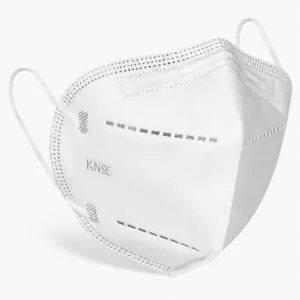
Foldable KN95 Mask – Non-Valved Particulate Respirator
Original price was: KSh 90.00.KSh 70.00Current price is: KSh 70.00. + VAT Order via WhatsApp -
Dust Mask, KN95 Masks, Respiratory Protection
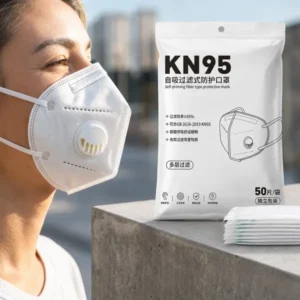
Valved KN95 Mask – Particulate Respirator
Original price was: KSh 100.00.KSh 80.00Current price is: KSh 80.00. + VAT Order via WhatsApp -
Dust Mask, Respiratory Protection
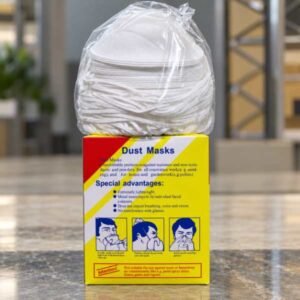
Disposable Dust Mask – 50 Pieces Yellow Box
Original price was: KSh 1,200.00.KSh 950.00Current price is: KSh 950.00. + VAT Order via WhatsApp -
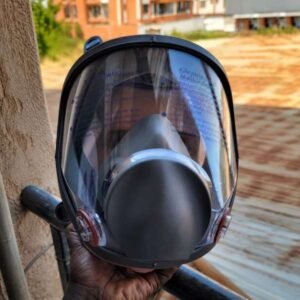
Chemical Respirators, Respiratory Protection
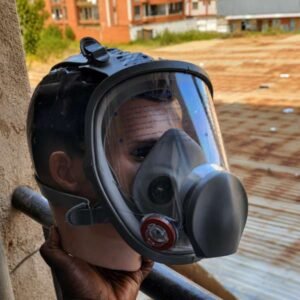
Full Face Respirator Mask 6800
Original price was: KSh 8,500.00.KSh 6,500.00Current price is: KSh 6,500.00. + VAT Order via WhatsApp
Protective Clothing
-
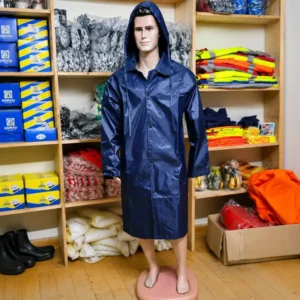
Protective Clothing, Raincoats in Kenya
Buy Raincoats Kenya
Original price was: KSh 1,500.00.KSh 1,100.00Current price is: KSh 1,100.00. + VAT Order via WhatsApp -
Protective Clothing, Raincoats in Kenya
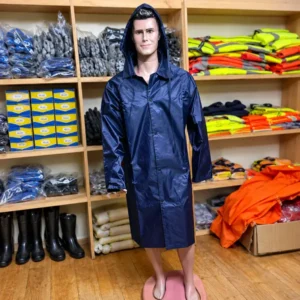
Heavy Duty Raincoat Price Kenya
Original price was: KSh 1,500.00.KSh 1,100.00Current price is: KSh 1,100.00. + VAT Order via WhatsApp -
Protective Clothing, Raincoats in Kenya
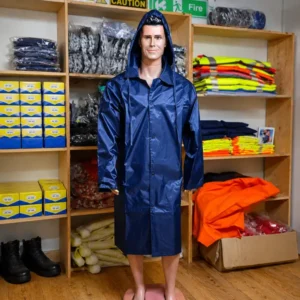
PVC Raincoat Price in Kenya
Original price was: KSh 1,400.00.KSh 1,100.00Current price is: KSh 1,100.00. + VAT Order via WhatsApp -
Plain Overalls in Kenya, Protective Clothing, Work Overalls & Safety Coveralls Kenya
Jungle Green Plain Overall
Original price was: KSh 1,500.00.KSh 1,100.00Current price is: KSh 1,100.00. + VAT Order via WhatsApp

Eye and Face Protection
-
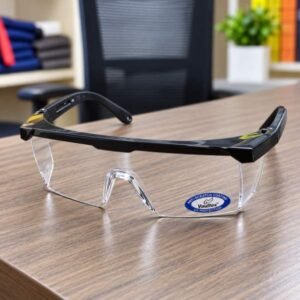
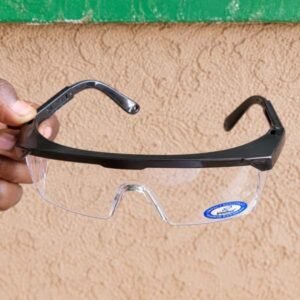
Eye Protection, Safety Glasses, Safety Goggles
Vaultex V406 Clear Safety Spectacles – EN 166
Original price was: KSh 400.00.KSh 300.00Current price is: KSh 300.00. + VAT Order via WhatsApp -
Eye Protection, Face Protection, Safety Glasses, Safety Goggles
Protective Safety Goggles
Original price was: KSh 500.00.KSh 280.00Current price is: KSh 280.00. + VAT Order via WhatsApp -
Eye Protection, Face Protection, Safety Goggles
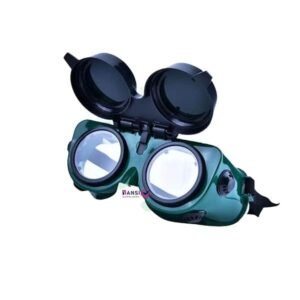
Welding Safety Goggles
Original price was: KSh 550.00.KSh 450.00Current price is: KSh 450.00. + VAT Order via WhatsApp -
Eye Protection, Face Protection
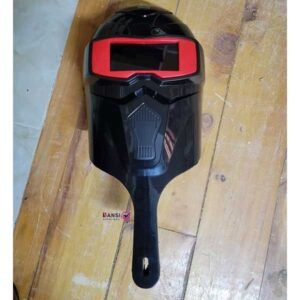
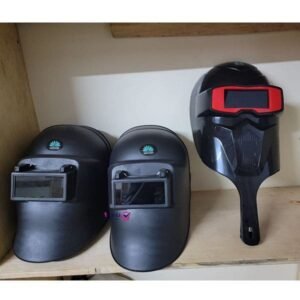
Handheld Welding Helmet Full Face Shield Mask
Original price was: KSh 800.00.KSh 655.00Current price is: KSh 655.00. + VAT Order via WhatsApp
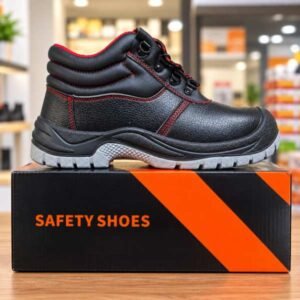
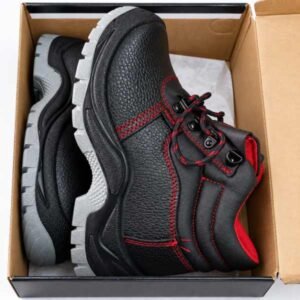
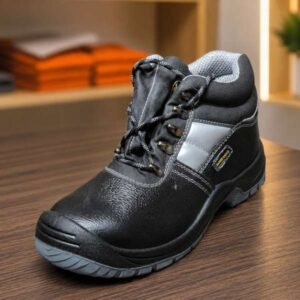
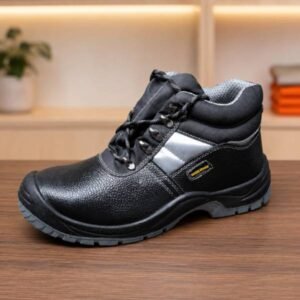
Safety Gumboots and Foot Protection
-
Foot Protection, Porcupine Safety Boots, Safety Boots For Women, Safety Boots in Kenya
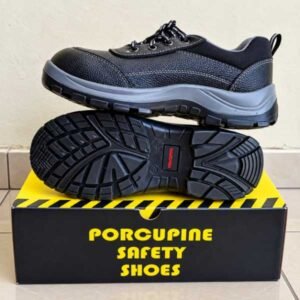
Porcupine Ladies Safety Shoes Kenya
Original price was: KSh 3,500.00.KSh 2,999.00Current price is: KSh 2,999.00. + VAT Order via WhatsApp -
Foot Protection, Knicker Safety Boots, Safety Boots in Kenya
Knicker Safety Shoes
Original price was: KSh 3,500.00.KSh 2,200.00Current price is: KSh 2,200.00. + VAT Order via WhatsApp -
Foot Protection, Safety Boots in Kenya, Workman Safety Boots
Workman Low Cut Safety Boots
Original price was: KSh 4,000.00.KSh 2,900.00Current price is: KSh 2,900.00. + VAT Order via WhatsApp -
Foot Protection, Safety Boots in Kenya, Ultimate Plus Safety Boots Kenya
Ultimate Plus Steel Toe Safety Boots
Original price was: KSh 2,900.00.KSh 2,500.00Current price is: KSh 2,500.00. + VAT Order via WhatsApp

First Aid Equipment
-
First Aid Kit
Medium First Aid Box – 25 Essential Items
Original price was: KSh 4,500.00.KSh 3,500.00Current price is: KSh 3,500.00. + VAT Order via WhatsApp -
First Aid Kit
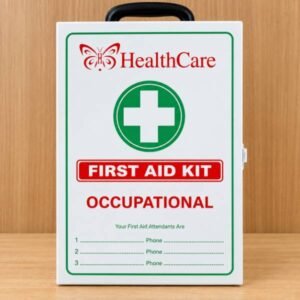
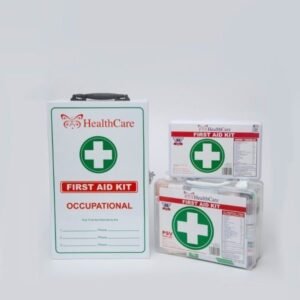
Workers Occupational First Aid Kit
Original price was: KSh 8,500.00.KSh 7,900.00Current price is: KSh 7,900.00. + VAT Order via WhatsApp
Selecting Respirators for Pesticide Spraying
Respirators should not be selected by appearance alone. The correct respiratory protection depends on the pesticide, contaminant type, concentration, application method and working environment.
Identify the Contaminant
Determine whether workers may be exposed to dust, liquid aerosol, pesticide mist, vapour or a combination of airborne contaminants.
Review Product Instructions
Check the pesticide label, safety data sheet and respirator manufacturer's guidance before selecting a mask, filter or cartridge.
Select the Correct Filter
Particulate filters and chemical cartridges provide different types of protection and are not interchangeable for every pesticide.
Check Facial Fit
A tight-fitting respirator must seal correctly against the user's face. Facial hair, incorrect sizing and damaged seals can reduce protection.
Inspect Before Use
Check the facepiece, straps, valves, filters, cartridges and sealing surfaces before each use.
Plan Filter Replacement
Replace filters and cartridges according to the manufacturer's instructions, usage conditions and the farm's change schedule.
Selecting Chemical-Resistant Gloves
Not every waterproof glove provides suitable pesticide protection. Glove selection should consider the chemical, glove material, exposure time, breakthrough data and required hand movement.
Review Chemical Compatibility
Confirm that the glove material is compatible with the pesticide or chemical being handled.
Check Glove Length
Longer cuffs may provide additional wrist and forearm protection during mixing, spraying and equipment cleaning.
Select the Correct Size
Gloves that are too loose may reduce grip, while gloves that are too tight may tear or cause discomfort.
Inspect for Damage
Check for holes, tears, brittleness, swelling, cracking or chemical degradation before use.
Remove Gloves Safely
Workers should avoid touching bare skin with the contaminated outside surface of the glove.
Replace When Necessary
Discard gloves that are damaged, degraded, contaminated beyond safe cleaning or no longer provide suitable protection.
Pesticide Spraying PPE Best Practices
PPE should be supported by chemical training, supervision, equipment maintenance, hygiene facilities and clear emergency procedures.
Read the Chemical Label
Confirm the stated PPE requirements, application instructions, restrictions and emergency information before using the product.
Inspect PPE Before Work
Check gloves, respirators, goggles, coveralls and gumboots for damage, wear, contamination or missing components.
Put PPE On Correctly
Workers should follow the correct sequence to prevent exposed skin, gaps between garments or interference between PPE components.
Remove PPE Safely
Contaminated PPE should be removed carefully to avoid transferring pesticide residues to the skin, face or clean clothing.
Separate Contaminated PPE
Used spraying PPE should be kept away from offices, eating areas, personal clothing, vehicles and household laundry.
Clean Reusable Equipment
Reusable PPE should be cleaned and maintained according to the manufacturer's instructions and the farm's decontamination procedure.
Store PPE Correctly
Store clean PPE in a dry, ventilated and controlled location away from pesticide containers, sunlight and physical damage.
Replace Damaged PPE
Remove PPE from use when it is torn, cracked, contaminated, expired, degraded or no longer fits properly.
Control Re-Entry
Use signs and restricted-access procedures to prevent workers from entering treated areas before the approved re-entry period.
Emergency Equipment for Pesticide Work Areas
Mixing stations, chemical stores and spraying operations should have suitable emergency supplies based on the chemicals handled and the workplace risk assessment.
Emergency Eyewash
Provide accessible eyewash products where chemical splashes or airborne irritants may reach the eyes.
First Aid Kits
Maintain suitable first aid supplies and ensure trained personnel are available during spraying and chemical-handling activities.
Spill-Control Products
Keep suitable absorbents, containment products, disposal materials and protective equipment near pesticide-handling areas.
Safety Signs
Use chemical hazard, restricted-entry, mandatory PPE and emergency-information signs where required.
Emergency Contact Information
Display relevant emergency numbers, product information and response procedures in accessible locations.
Decontamination Facilities
Provide suitable washing arrangements for employees exposed to pesticide splashes or contaminated equipment.
Pesticide and Spraying PPE Questions
Common questions from flower farm managers, spraying supervisors, procurement officers, chemical-store personnel and safety teams.
What PPE is commonly required for pesticide spraying?
Common products include chemical-resistant gloves, suitable respirators, protective coveralls, safety goggles, gumboots and additional face or body protection where required.
Can one respirator be used for every pesticide?
No. Respirator and filter selection depends on the pesticide, contaminant type, application method and manufacturer instructions.
Are dust masks suitable for pesticide spraying?
A basic dust mask may not provide suitable protection against pesticide mist, vapours or gases. Respiratory protection must match the specific contaminant.
Which gloves are suitable for pesticide mixing?
The suitable glove depends on chemical compatibility, glove material, exposure duration and the pesticide manufacturer's guidance.
Do workers need goggles and a face shield?
Safety goggles provide primary eye protection. A face shield may provide additional face protection during higher-splash activities.
What clothing should pesticide applicators wear?
Depending on the task, workers may require protective coveralls, chemical suits, aprons, sleeves or other garments specified by the chemical label and risk assessment.
Are ordinary gumboots suitable for pesticide work?
Footwear should be assessed for chemical resistance, waterproof protection, condition, grip and compatibility with the pesticide being handled.
How often should spraying PPE be inspected?
Reusable PPE should be checked before each use and inspected according to the manufacturer's guidance and the farm's procedures.
When should respirator filters be replaced?
Replace filters according to the manufacturer's instructions, exposure conditions and the farm's documented change schedule.
Can pesticide PPE be taken home for cleaning?
Contaminated PPE should be managed through the farm's approved cleaning and decontamination procedure to avoid exposing homes and family members.
How should contaminated PPE be stored?
Keep contaminated PPE separate from clean equipment, offices, eating areas, personal clothing and other non-chemical workspaces.
Can reusable gloves be cleaned?
Some reusable gloves can be cleaned according to manufacturer instructions. Damaged, degraded or heavily contaminated gloves should be replaced.
What emergency equipment is needed near a mixing station?
Requirements may include emergency eyewash, first aid supplies, spill-control products, safety signs, washing facilities and emergency instructions.
Can Bansi Safety Gear quote for a complete spraying team?
Yes. Submit the number of workers, activities, product requirements, sizes, quantities, preferred brands and delivery location.
Can we upload an existing pesticide PPE schedule?
Yes. You can submit an Excel schedule, RFQ, BOQ, purchase requisition, product list or LPO draft using the quotation form.
Can spraying PPE be included with other flower farm requirements?
Yes. You can request one consolidated quotation covering spraying, greenhouse, harvesting, packhouse, cold-room and maintenance teams.
Submit Your Pesticide Spraying PPE Requirements
Send your spraying PPE list, worker numbers, required sizes, preferred brands, chemical-handling activities and delivery location for a structured quotation.
Information to Include
- Flower farm or company name
- Number of spraying and chemical-handling employees
- Type of spraying equipment used
- Products or chemicals handled
- Required PPE products
- Respirator type or filter specification where known
- Glove, coverall and footwear sizes
- Required quantities
- Preferred brands or acceptable equivalents
- Delivery location
- Required delivery date
You may upload an RFQ, BOQ, Excel PPE schedule, purchase requisition, product list or LPO draft.
Email:
procurement@bansisafetygear.co.ke
Phone:
0797 619 609
WhatsApp:
Chat With the PPE Team
Pesticide Spraying PPE Quotation Form
Complete the form and upload your RFQ, BOQ, spraying PPE schedule or product list. Our team will review the requirements and prepare a tailored quotation.
Protect Your Pesticide Spraying and Chemical-Handling Teams
Speak to Bansi Safety Gear for chemical-resistant gloves, respirators, protective coveralls, goggles, face shields, gumboots, emergency eyewash and structured bulk quotations.