Cold Room PPE in Kenya
Protect employees working in flower cold rooms, pre-cooling areas, refrigerated stores and chilled dispatch facilities with personal protective equipment selected for low-temperature working conditions.
Bansi Safety Gear supplies cold room PPE in Kenya, including insulated gloves, thermal protective clothing, cold-room jackets, protective overalls, slip-resistant safety footwear and first aid equipment.
PPE for Flower Farm Cold Rooms and Chilled Storage Areas
Flower farms use cold rooms and refrigerated storage areas to preserve harvested flowers before packing, dispatch and transportation. Employees entering these areas may be exposed to low temperatures, cold surfaces, wet floors and temperature changes between chilled and normal working environments.
Protection During Cold Room Entry
Employees entering chilled storage areas may require insulated gloves, thermal clothing and suitable footwear based on the temperature and duration of exposure.
Protection During Product Handling
Workers handling flower buckets, crates, cartons and metal equipment may need additional hand protection because cold surfaces can reduce comfort and dexterity.
Why Cold Room Workers Need Suitable PPE
Prolonged or repeated exposure to cold environments can affect comfort, dexterity, concentration and the employee's ability to perform tasks safely.
Maintain Body Warmth
Thermal jackets, overalls and layered protective clothing help reduce heat loss while employees work inside refrigerated areas.
Protect Hands From Cold
Insulated gloves help reduce direct contact with cold flowers, metal shelving, crates, cartons and refrigerated equipment.
Support Hand Dexterity
Suitable cold-resistant gloves help employees maintain grip and hand movement when handling flower products and packaging materials.
Reduce Slip Risks
Footwear with suitable tread can help employees maintain grip on damp, smooth or condensation-affected cold room floors.
Manage Temperature Changes
Appropriate protective clothing helps workers move between normal packhouse areas and chilled environments more safely and comfortably.
Standardise Worker Protection
A defined cold room PPE schedule helps supervisors issue consistent equipment and maintain suitable replacement stock.
Common Hazards in Flower Farm Cold Rooms
Cold room PPE should address temperature exposure together with handling, floor, storage and emergency hazards.
Low Temperatures
Employees may experience discomfort, numbness and reduced hand movement during extended or repeated cold room entry.
- Provide suitable thermal clothing
- Use insulated gloves
- Manage exposure duration
- Provide suitable recovery areas
Cold Surfaces
Metal shelves, trolleys, door handles, crates and refrigerated equipment may be uncomfortable or unsafe to handle without suitable gloves.
- Use insulated hand protection
- Avoid prolonged bare-skin contact
- Inspect gloves before use
- Replace wet or damaged gloves
Wet and Slippery Floors
Condensation, water, flower waste and melting ice may increase the risk of slips and falls.
- Use slip-resistant footwear
- Clean water and debris promptly
- Maintain suitable drainage
- Keep walkways unobstructed
Reduced Hand Dexterity
Cold hands may make it more difficult to grip cartons, operate doors, handle tools or move flower containers.
- Select correctly fitting gloves
- Balance insulation and flexibility
- Provide suitable grip surfaces
- Allow warming breaks where required
Manual Handling
Employees may lift flower buckets, cartons, crates and other loads while wearing bulkier thermal clothing.
- Avoid overloading containers
- Use handling equipment where available
- Maintain clear transport routes
- Train workers on safe lifting
Limited Visibility
Condensation, poor lighting or obstructed storage areas may reduce visibility inside chilled rooms.
- Maintain suitable lighting
- Keep storage organised
- Do not block emergency routes
- Report lighting defects promptly
Door and Exit Risks
Cold room employees require reliable access to exits and should not be exposed to accidental entrapment.
- Maintain internal door-release systems
- Keep exits unobstructed
- Test alarms where installed
- Train employees on emergency procedures
Falling Products
Poorly stacked cartons, crates or flower containers may shift during storage and handling.
- Stack loads securely
- Respect shelving limits
- Use suitable safety footwear
- Maintain orderly storage
Temperature Transition
Repeated movement between cold rooms and warmer packhouse areas may affect comfort and create condensation on clothing or footwear.
- Use suitable layered clothing
- Keep PPE dry
- Store thermal clothing correctly
- Replace wet garments promptly
Cold Room Tasks and Recommended Protection
PPE requirements may vary according to the temperature, exposure duration and type of work completed inside the chilled area.
Receiving Flowers Into Cold Storage
Employees moving harvested flowers into chilled storage may handle wet buckets, crates and cold door surfaces.
- Insulated protective gloves
- Thermal jacket or coat
- Protective trousers or overalls
- Slip-resistant safety footwear
Arranging Cold Room Stock
Workers may move flower buckets, cartons and crates between shelves, racks and floor-storage locations.
- Cold-resistant gloves
- Thermal protective clothing
- Safety footwear
- Suitable manual-handling controls
Picking Products for Packing
Employees may repeatedly enter and leave the cold room to retrieve flowers for grading and packing.
- Insulated gloves
- Thermal jacket
- Slip-resistant footwear
- Layered protective clothing
Cold Room Cleaning
Cleaning teams may be exposed to water, cold surfaces, flower waste and slippery floor conditions.
- Water-resistant insulated gloves
- Protective thermal clothing
- Waterproof slip-resistant footwear
- Protective apron where required
Temperature Monitoring
Employees checking temperature records or inspecting cold room conditions may require lighter cold protection for short-duration entry.
- Thermal jacket
- Protective gloves
- Slip-resistant footwear
- Suitable head protection from cold
Cold Dispatch and Loading
Dispatch employees may move chilled cartons from storage into refrigerated vehicles or holding areas.
- Grip-supporting insulated gloves
- Thermal protective clothing
- Safety footwear
- High-visibility clothing where required
Recommended PPE for Cold Room Workers
Cold room PPE should provide suitable thermal protection while allowing workers to move, grip products and complete assigned duties safely.
Insulated Cold Room Gloves
Cold-resistant gloves for handling chilled flowers, cartons, crates, metal shelves and refrigerated equipment.
Thermal Jackets
Insulated jackets for employees entering flower cold rooms, pre-cooling areas and chilled dispatch facilities.
Thermal Overalls
Full-body protective workwear for employees exposed to low temperatures for longer working periods.
Thermal Trousers
Insulated lower-body protection for cold room employees who require additional warmth while maintaining safe movement.
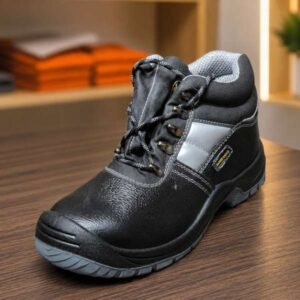
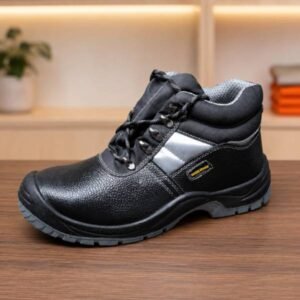
Cold Room Safety Footwear
Protective footwear selected for cold conditions, wet floors, manual handling and prolonged standing.
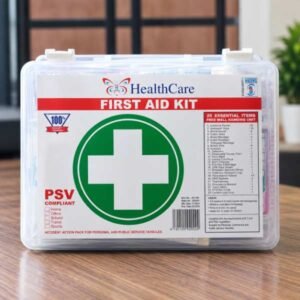
First Aid Kits
Accessible first aid supplies for foreseeable cold room, handling, slip and minor workplace injuries.
Shop PPE for Flower Farm Cold Rooms
The products below are drawn only from categories relevant to cold storage, chilled handling, wet-floor protection and cold room emergency preparedness.
Cold-Resistant and Protective Gloves
-
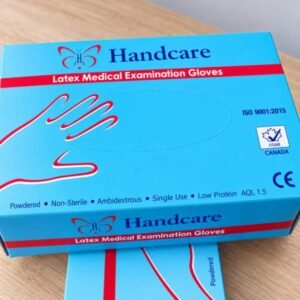
Hand Protection Gloves Kenya, Nitrile Safety Gloves, Safety Gloves, Surgical Gloves
Handcare Powdered Latex Medical Examination Gloves
Original price was: KSh 1,200.00.KSh 750.00Current price is: KSh 750.00. + VAT Order via WhatsApp -
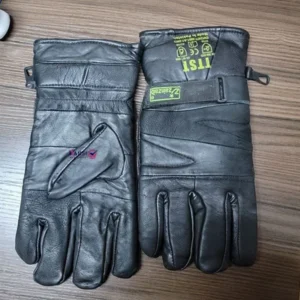
Hand Protection Gloves Kenya, Leather Gloves, Safety Gloves
Leather Riders Gloves Kenya
Original price was: KSh 2,000.00.KSh 1,500.00Current price is: KSh 1,500.00. + VAT Order via WhatsApp -
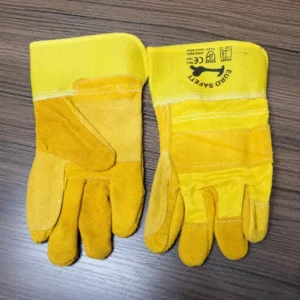
Hand Protection Gloves Kenya, Leather Gloves, Safety Gloves
Yellow Palm Gloves Kenya
Original price was: KSh 500.00.KSh 300.00Current price is: KSh 300.00. + VAT Order via WhatsApp -
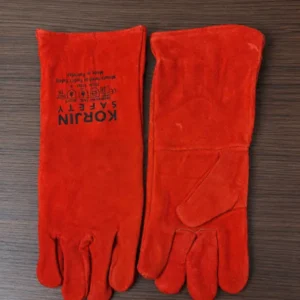
Hand Protection Gloves Kenya, Leather Gloves, Safety Gloves
Red Leather Welding Gloves 16 Inch Kenya
Original price was: KSh 650.00.KSh 550.00Current price is: KSh 550.00. + VAT Order via WhatsApp
Thermal and Protective Clothing
-
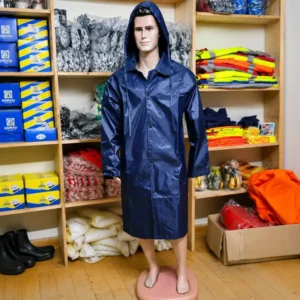
Protective Clothing, Raincoats in Kenya
Buy Raincoats Kenya
Original price was: KSh 1,500.00.KSh 1,100.00Current price is: KSh 1,100.00. + VAT Order via WhatsApp -
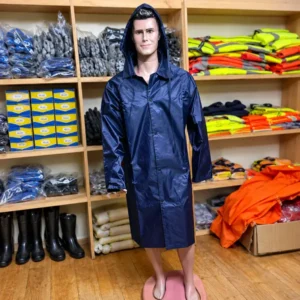
Protective Clothing, Raincoats in Kenya
Heavy Duty Raincoat Price Kenya
Original price was: KSh 1,500.00.KSh 1,100.00Current price is: KSh 1,100.00. + VAT Order via WhatsApp -
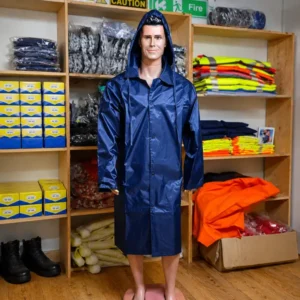
Protective Clothing, Raincoats in Kenya
PVC Raincoat Price in Kenya
Original price was: KSh 1,400.00.KSh 1,100.00Current price is: KSh 1,100.00. + VAT Order via WhatsApp -
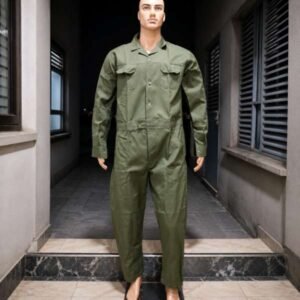
Plain Overalls in Kenya, Protective Clothing, Work Overalls & Safety Coveralls Kenya
Jungle Green Plain Overall
Original price was: KSh 1,500.00.KSh 1,100.00Current price is: KSh 1,100.00. + VAT Order via WhatsApp
Cold Room Safety Footwear
-
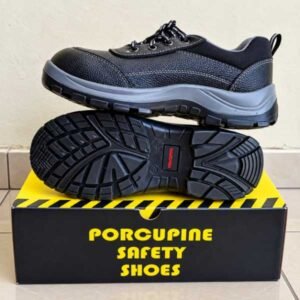
Foot Protection, Porcupine Safety Boots, Safety Boots For Women, Safety Boots in Kenya
Porcupine Ladies Safety Shoes Kenya
Original price was: KSh 3,500.00.KSh 2,999.00Current price is: KSh 2,999.00. + VAT Order via WhatsApp -
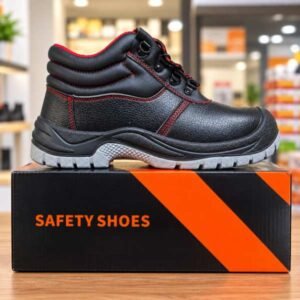
Foot Protection, Knicker Safety Boots, Safety Boots in Kenya
Knicker Safety Shoes
Original price was: KSh 3,500.00.KSh 2,200.00Current price is: KSh 2,200.00. + VAT Order via WhatsApp -
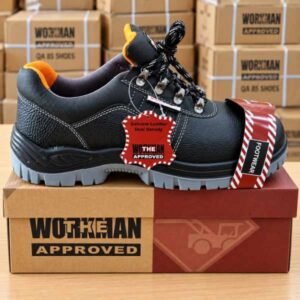
Foot Protection, Safety Boots in Kenya, Workman Safety Boots
Workman Low Cut Safety Boots
Original price was: KSh 4,000.00.KSh 2,900.00Current price is: KSh 2,900.00. + VAT Order via WhatsApp -
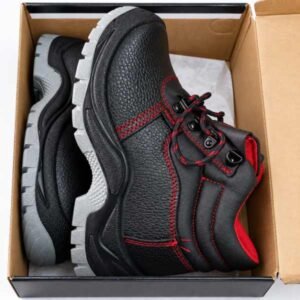
Foot Protection, Safety Boots in Kenya, Ultimate Plus Safety Boots Kenya
Ultimate Plus Steel Toe Safety Boots
Original price was: KSh 2,900.00.KSh 2,500.00Current price is: KSh 2,500.00. + VAT Order via WhatsApp
First Aid Kits
-
First Aid Kit
Medium First Aid Box – 25 Essential Items
Original price was: KSh 4,500.00.KSh 3,500.00Current price is: KSh 3,500.00. + VAT Order via WhatsApp -
First Aid Kit
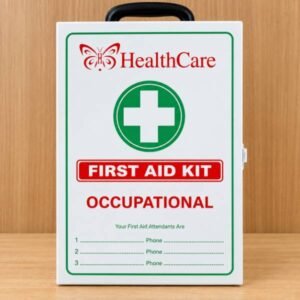
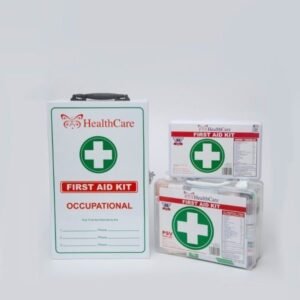
Workers Occupational First Aid Kit
Original price was: KSh 8,500.00.KSh 7,900.00Current price is: KSh 7,900.00. + VAT Order via WhatsApp
Selecting Gloves for Cold Room Work
Cold room gloves should provide suitable insulation while allowing employees to grip flowers, cartons, crates, door handles and handling equipment.
Consider the Temperature
Select gloves according to the actual cold room temperature and the length of time employees remain inside.
Consider Moisture Exposure
Workers handling wet flower buckets or cleaning chilled areas may require water-resistant gloves with thermal protection.
Maintain Dexterity
Gloves should provide insulation without being unnecessarily bulky for the assigned handling tasks.
Check Grip Performance
The glove surface should provide suitable grip on chilled cartons, wet crates, flower containers and metal surfaces.
Select the Correct Size
Incorrect sizing may reduce insulation, comfort, circulation, grip and hand movement.
Keep Gloves Dry
Wet gloves may lose comfort and thermal performance. Provide replacement pairs where moisture exposure is likely.
Inspect Before Use
Check gloves for torn linings, holes, worn palms, damaged coatings and moisture before each use.
Replace Damaged Gloves
Remove gloves from service when they no longer provide suitable insulation, coverage, grip or comfort.
Selecting Protective Clothing for Cold Rooms
Cold room clothing should reflect the temperature, exposure duration, physical activity and movement required during the employee's duties.
Use a Layered System
Layered clothing can help employees adjust their protection when moving between normal packhouse temperatures and chilled areas.
Select Suitable Insulation
Employees working longer periods in cold rooms may require more insulation than workers completing brief inspections.
Protect the Upper Body
Thermal jackets and coats help protect the torso and arms while allowing employees to complete handling duties.
Protect the Lower Body
Thermal trousers or insulated overalls may be required where employees spend extended periods in chilled environments.
Maintain Safe Movement
Protective clothing should fit correctly and should not create unnecessary restrictions or entanglement hazards.
Keep Clothing Dry
Wet or heavily damp clothing should be removed and replaced because moisture may reduce comfort and thermal performance.
Inspect Garments
Check zips, seams, fasteners, linings and outer materials before employees enter cold storage areas.
Plan Replacement Stock
Maintain spare thermal clothing in suitable sizes for damaged, wet or unavailable garments.
Selecting Safety Footwear for Cold Rooms
Cold room footwear should provide appropriate grip, protection and comfort for cold floors, condensation and manual-handling activities.
Slip Resistance
Select footwear with tread suitable for smooth, damp or condensation-affected cold room floors.
Thermal Comfort
Consider insulated footwear where employees spend prolonged periods in low temperatures.
Water Resistance
Water-resistant footwear may be required where floors are frequently wet or where employees handle flower buckets.
Toe Protection
Safety toe protection may be required where cartons, crates, buckets or other loads could fall onto the feet.
Correct Fit
Footwear should allow suitable socks while remaining secure and comfortable during walking and manual handling.
Regular Inspection
Check soles, tread, uppers, linings and fasteners for damage, wear and moisture.
Supporting Cold Room PPE With Safe Work Practices
PPE is one part of cold exposure management. Farms should also consider exposure duration, work organisation, training and emergency procedures.
Limit Unnecessary Exposure
Organise cold room tasks so employees do not remain inside longer than required to complete their duties.
Provide Warming Breaks
Employees completing longer cold room duties may require suitable breaks in a warmer area.
Keep Workers Dry
Replace wet gloves, footwear or clothing promptly because moisture can increase discomfort in cold conditions.
Train Employees
Workers should understand cold room hazards, PPE requirements, exit procedures and how to report discomfort or equipment problems.
Use a Buddy System Where Required
For higher-risk or isolated cold room work, farms may use communication or worker-checking procedures.
Maintain Emergency Access
Cold room exits, internal release systems, alarms and emergency routes should remain accessible and functional.
Cold Room PPE Best Practices
Cold room PPE should be issued, inspected, cleaned and stored through a consistent workplace system.
Issue PPE by Exposure Level
Match the level of insulation to the cold room temperature, task and time spent inside.
Provide Correct Sizes
Maintain suitable glove, jacket, overall, trouser and footwear sizes for all employees assigned to cold room duties.
Inspect PPE Before Entry
Employees should check gloves, clothing and footwear before entering the cold room.
Separate Cold Room PPE
Store thermal PPE separately from pesticide-handling equipment, dirty workwear and personal clothing.
Dry PPE Correctly
Allow reusable gloves, clothing and footwear to dry fully before the next use.
Replace Wet or Damaged PPE
Employees should not continue cold room work with wet gloves, torn clothing or damaged footwear.
Keep Floors Clear
Remove water, flower waste, cartons and other obstructions from cold room walkways.
Maintain Door Systems
Inspect handles, seals, internal releases and emergency-access systems regularly.
Maintain First Aid Access
Keep first aid equipment accessible outside or near the cold room according to the workplace emergency plan.
Planning PPE for a Flower Farm Cold Room Team
A structured cold room PPE schedule helps procurement, operations and safety teams order suitable thermal protection in the correct sizes and quantities.
Confirm the Temperature
Record the normal operating temperature of each cold room, pre-cooling area and refrigerated workspace.
Assess Work Duration
Identify whether employees make short entries or complete prolonged duties inside the chilled area.
Confirm Tasks and Sizes
Record the activities performed and required glove, jacket, overall, trouser and footwear sizes.
Plan Replacement Stock
Include spare items for wet, damaged, worn or unavailable cold room PPE.
Cold Room PPE Questions
Common questions from flower farm managers, packhouse supervisors, procurement officers and workplace safety teams.
What PPE is required for a flower farm cold room?
Common requirements include insulated gloves, thermal jackets, protective overalls or trousers, suitable safety footwear and access to first aid equipment.
Which gloves are suitable for cold room work?
The correct gloves depend on the temperature, exposure duration, moisture, required grip and the amount of hand movement needed.
Are ordinary work gloves suitable for cold rooms?
General work gloves may not provide enough insulation for prolonged cold exposure. Select gloves designed for the working temperature and task.
Do cold room workers need thermal jackets?
Thermal jackets may be required where employees enter refrigerated areas, particularly when exposure is frequent or prolonged.
When are thermal overalls required?
Thermal overalls may be suitable for employees who spend longer periods in cold rooms or require additional full-body insulation.
What footwear is suitable for cold rooms?
Footwear should provide suitable grip, fit and protection for cold, condensation-affected or wet floors.
Do cold room workers need safety toe protection?
Safety toe protection may be required where workers handle crates, cartons, flower buckets or other loads that may fall.
Do cold room employees need respirators?
Respirators are not normally a primary cold room PPE requirement unless a separate airborne hazard has been identified.
Is eye protection required in a flower cold room?
Eye protection is not normally displayed as a primary cold room category unless the employee performs a separate task involving splashes, debris or other eye hazards.
How should cold room PPE be stored?
Store clean and dry cold room PPE in an organised area away from chemicals, contamination, moisture and physical damage.
Can wet gloves be reused immediately?
Wet gloves may provide reduced comfort and thermal performance. Allow them to dry properly or issue a clean replacement pair.
How often should cold room PPE be inspected?
Employees should inspect their PPE before each use, supported by scheduled workplace inspections.
How often should cold room PPE be replaced?
Replace PPE when it is torn, wet, damaged, worn or no longer provides suitable insulation, grip and coverage.
Can Bansi Safety Gear supply a complete cold room team?
Yes. Submit worker numbers, cold room temperatures, exposure duration, sizes, required products and delivery location.
Can we upload an existing cold room PPE schedule?
Yes. You can upload an RFQ, BOQ, Excel schedule, purchase requisition, product list or LPO draft through the quotation form.
Can cold room PPE be combined with packhouse PPE?
Yes. Bansi Safety Gear can prepare one consolidated quotation for packhouse, cold room, harvesting, greenhouse and spraying teams.
Do you deliver cold room PPE within Kenya?
Provide your products, quantities, sizes and delivery location when requesting a quotation.
Can you recommend alternatives to our current cold room PPE?
Where requested, the quotation team can review your specifications and propose available alternatives for consideration.
Submit Your Flower Farm Cold Room PPE Requirements
Send your worker numbers, cold room temperatures, exposure duration, PPE list, required sizes, quantities and delivery location for a structured quotation.
Information to Include
- Flower farm or company name
- Number of cold room employees
- Cold room operating temperature
- Average duration of each cold room entry
- Main cold room activities
- Required insulated glove sizes
- Required jacket or coat sizes
- Required overall or trouser sizes
- Required footwear types and sizes
- First aid kit requirements
- Required quantities
- Preferred brands or acceptable alternatives
- Delivery location
- Required delivery date
You may upload an RFQ, BOQ, Excel PPE schedule, purchase requisition, product list or LPO draft.
Email:
procurement@bansisafetygear.co.ke
Phone:
0797 619 609
WhatsApp:
Chat With the PPE Team
Cold Room PPE Quotation Form
Complete the form and upload your cold room PPE schedule, RFQ, BOQ or product list. Our team will review the requirements and prepare a tailored quotation.
Protect Your Flower Farm Cold Room Team
Speak to Bansi Safety Gear for insulated gloves, thermal jackets, protective overalls, safety footwear, first aid kits and structured bulk quotations for cold room and chilled-storage employees.