Harvesting Team PPE in Kenya
Protect flower harvesting employees with practical personal protective equipment selected for cutting, pruning, collecting, carrying and handling flowers within greenhouses and open-field growing areas.
Bansi Safety Gear supplies harvesting team PPE in Kenya, including protective gloves, arm protection, overalls, safety gumboots, eye protection and first aid equipment for flower farms.
PPE for Flower Harvesting Teams
Flower harvesting teams regularly work with pruning tools, thorny plants, wet walkways, plant debris, crates and repetitive manual-handling activities. Suitable PPE helps reduce common injuries while supporting comfortable and efficient work.
Protection During Cutting and Pruning
Harvesting employees may require gloves, arm protection and safety glasses when using secateurs, knives, shears and other cutting tools.
Protection During Collection and Handling
Suitable clothing, gloves and footwear can help protect workers while collecting, sorting, bundling and carrying harvested flowers.
Why Flower Harvesting Teams Need Suitable PPE
Harvesting work may expose employees to sharp tools, thorns, plant sap, wet surfaces, falling stems, repetitive movements and manual-handling risks.
Reduce Cuts and Punctures
Protective gloves can help reduce minor cuts, punctures and abrasions caused by stems, thorns, pruning tools and damaged crates.
Protect Hands During Repetitive Work
Correctly fitting gloves can improve grip and reduce direct hand contact during continuous cutting, bunching and flower-handling activities.
Protect Arms and Clothing
Sleeves and overalls can help reduce scratches, plant contact, dirt and damage to personal clothing.
Improve Foot Protection
Suitable gumboots or safety footwear can help protect employees from wet soil, mud, slippery surfaces and minor impacts.
Protect Eyes During Cutting
Safety glasses can help reduce eye exposure to flying plant fragments, broken stems and debris during pruning and trimming work.
Support Consistent Farm Safety
A standard harvesting PPE schedule helps supervisors issue suitable equipment and replace damaged items consistently.
Common Hazards in Flower Harvesting Work
The PPE selected for harvesting teams should reflect the actual tasks, tools and environmental conditions within each growing area.
Sharp Cutting Tools
Secateurs, knives, shears and trimming equipment may cause cuts, punctures or hand injuries when handled incorrectly.
- Provide task-appropriate gloves
- Maintain cutting tools correctly
- Train workers on safe handling
- Replace damaged tools promptly
Thorns and Sharp Stems
Rose stems and other plants may cause scratches, punctures and irritation to the hands and arms.
- Use suitable protective gloves
- Provide arm sleeves where needed
- Wear long protective clothing
- Inspect gloves for holes and wear
Wet and Slippery Surfaces
Irrigation water, mud, plant material and uneven walkways may increase the risk of slips and falls.
- Use footwear with suitable grip
- Keep pathways clear
- Report leaks and damaged flooring
- Remove accumulated plant waste
Eye Exposure
Plant fragments, broken stems and debris may reach the eyes during cutting, pruning and flower collection.
- Wear safety glasses where required
- Keep cutting tools properly maintained
- Avoid cutting toward another worker
- Maintain suitable working distance
Manual Handling
Workers may carry flower bundles, crates, buckets, tools and harvested materials through growing and collection areas.
- Avoid overloading containers
- Use suitable carrying equipment
- Train employees on safe lifting
- Keep transport routes clear
Plant Sap and Irritation
Contact with plant sap, leaves and treated vegetation may cause skin irritation for some employees.
- Use suitable gloves and clothing
- Wash exposed skin promptly
- Report persistent irritation
- Replace contaminated clothing
Harvesting Tasks and Recommended Protection
PPE requirements may differ according to whether employees are cutting, collecting, carrying, sorting or cleaning harvesting work areas.
Flower Cutting
Employees cutting flowers with secateurs, knives or shears may require hand, arm and eye protection.
- Protective work gloves
- Arm sleeves where required
- Safety glasses
- Protective overalls
- Slip-resistant footwear
Pruning and Trimming
Pruning tasks may expose workers to sharp branches, thorns, broken stems and flying plant fragments.
- Puncture-resistant gloves
- Protective sleeves
- Safety glasses
- Overalls or long protective clothing
- Suitable gumboots
Flower Collection
Employees collecting cut flowers may handle stems, leaves, buckets, crates and bundles repeatedly throughout the working day.
- Comfortable protective gloves
- Protective clothing
- Slip-resistant footwear
- Aprons where required
Bundling and Bunching
Workers may use bands, ties, knives and other small tools while preparing harvested flowers for movement to the packhouse.
- Close-fitting work gloves
- Protective sleeves
- Suitable overalls
- Safety footwear
Carrying Buckets and Crates
Manual movement of flowers and containers may expose workers to grip injuries, dropped loads and wet surfaces.
- Grip-supporting gloves
- Slip-resistant footwear
- Protective clothing
- Safe manual-handling procedures
Cleaning Harvesting Areas
Employees clearing plant waste and cleaning pathways may encounter sharp stems, wet floors, dirt and contaminated materials.
- Protective gloves
- Water-resistant footwear
- Overalls or aprons
- Eye protection where debris may fly
Recommended PPE for Flower Harvesting Teams
The correct PPE should provide suitable protection while allowing employees to handle flowers, cutting tools and containers comfortably.
Protective Work Gloves
Gloves for protecting the hands from stems, thorns, minor cuts, abrasions and repetitive flower handling.
Protective Arm Sleeves
Arm protection for reducing scratches and direct contact with thorns, leaves, stems and plant material.
Protective Overalls
Workwear for protecting employees' skin and personal clothing from dirt, scratches, plant material and routine farm conditions.
Safety Gumboots
Water-resistant footwear for wet soil, muddy pathways, irrigation areas and general flower farm harvesting work.
Safety Glasses
Eye protection for pruning, cutting and trimming activities where plant fragments or debris may reach the eyes.
First Aid Kits
First aid supplies for responding to minor cuts, punctures, abrasions and other workplace injuries while further assistance is arranged.
Shop PPE for Flower Harvesting Teams
The products below are drawn only from categories relevant to flower cutting, pruning, collection, handling and routine harvesting work.
Protective Gloves
-
Hand Protection Gloves Kenya, Nitrile Safety Gloves, Safety Gloves, Surgical Gloves
Handcare Powdered Latex Medical Examination Gloves
Original price was: KSh 1,200.00.KSh 750.00Current price is: KSh 750.00. + VAT Order via WhatsApp -
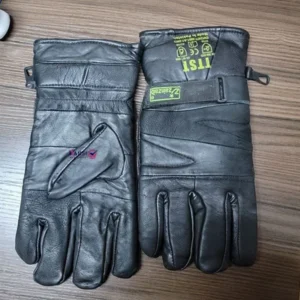
Hand Protection Gloves Kenya, Leather Gloves, Safety Gloves
Leather Riders Gloves Kenya
Original price was: KSh 2,000.00.KSh 1,500.00Current price is: KSh 1,500.00. + VAT Order via WhatsApp -
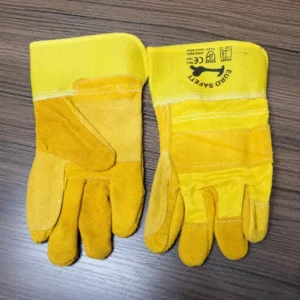
Hand Protection Gloves Kenya, Leather Gloves, Safety Gloves
Yellow Palm Gloves Kenya
Original price was: KSh 500.00.KSh 300.00Current price is: KSh 300.00. + VAT Order via WhatsApp -
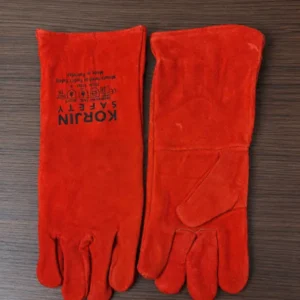
Hand Protection Gloves Kenya, Leather Gloves, Safety Gloves
Red Leather Welding Gloves 16 Inch Kenya
Original price was: KSh 650.00.KSh 550.00Current price is: KSh 550.00. + VAT Order via WhatsApp

Protective Clothing
-
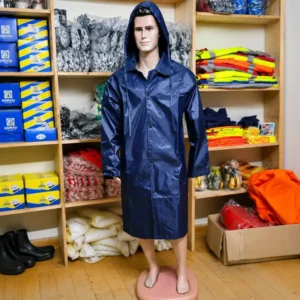
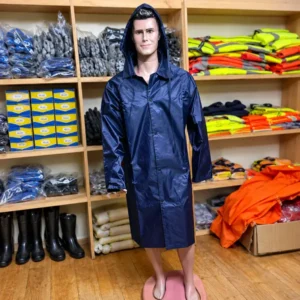
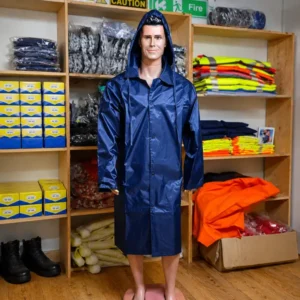
Protective Clothing, Raincoats in Kenya
Buy Raincoats Kenya
Original price was: KSh 1,500.00.KSh 1,100.00Current price is: KSh 1,100.00. + VAT Order via WhatsApp -
Protective Clothing, Raincoats in Kenya
Heavy Duty Raincoat Price Kenya
Original price was: KSh 1,500.00.KSh 1,100.00Current price is: KSh 1,100.00. + VAT Order via WhatsApp -
Protective Clothing, Raincoats in Kenya
PVC Raincoat Price in Kenya
Original price was: KSh 1,400.00.KSh 1,100.00Current price is: KSh 1,100.00. + VAT Order via WhatsApp -
Plain Overalls in Kenya, Protective Clothing, Work Overalls & Safety Coveralls Kenya
Jungle Green Plain Overall
Original price was: KSh 1,500.00.KSh 1,100.00Current price is: KSh 1,100.00. + VAT Order via WhatsApp

Safety Gumboots and Foot Protection
-
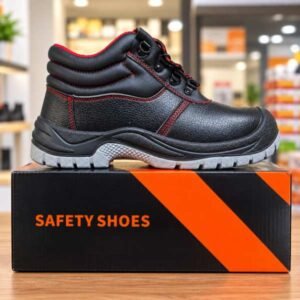
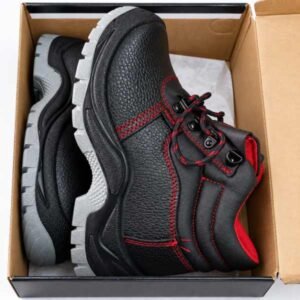
Foot Protection, Porcupine Safety Boots, Safety Boots For Women, Safety Boots in Kenya
Porcupine Ladies Safety Shoes Kenya
Original price was: KSh 3,500.00.KSh 2,999.00Current price is: KSh 2,999.00. + VAT Order via WhatsApp -
Foot Protection, Knicker Safety Boots, Safety Boots in Kenya
Knicker Safety Shoes
Original price was: KSh 3,500.00.KSh 2,200.00Current price is: KSh 2,200.00. + VAT Order via WhatsApp -
Foot Protection, Safety Boots in Kenya, Workman Safety Boots
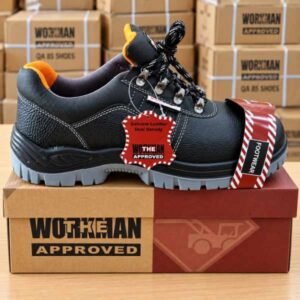
Workman Low Cut Safety Boots
Original price was: KSh 4,000.00.KSh 2,900.00Current price is: KSh 2,900.00. + VAT Order via WhatsApp -
Foot Protection, Safety Boots in Kenya, Ultimate Plus Safety Boots Kenya
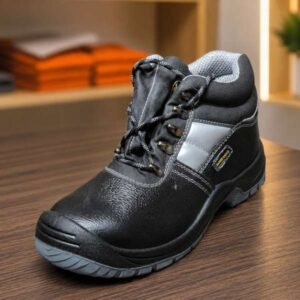
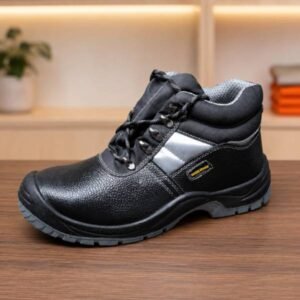
Ultimate Plus Steel Toe Safety Boots
Original price was: KSh 2,900.00.KSh 2,500.00Current price is: KSh 2,500.00. + VAT Order via WhatsApp

Eye Protection
-
Eye Protection, Safety Glasses, Safety Goggles
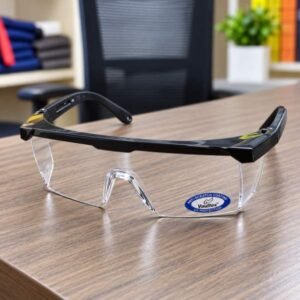
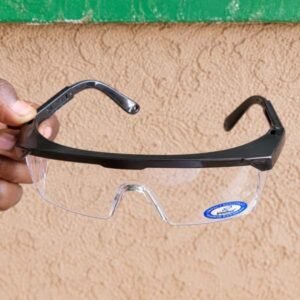
Vaultex V406 Clear Safety Spectacles – EN 166
Original price was: KSh 400.00.KSh 300.00Current price is: KSh 300.00. + VAT Order via WhatsApp -
Eye Protection, Face Protection, Safety Glasses, Safety Goggles
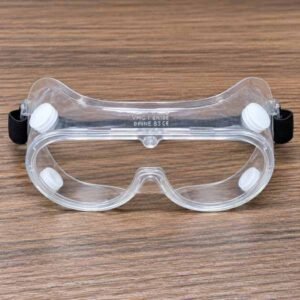
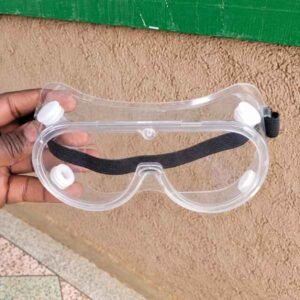
Protective Safety Goggles
Original price was: KSh 500.00.KSh 280.00Current price is: KSh 280.00. + VAT Order via WhatsApp -
Eye Protection, Face Protection, Safety Goggles
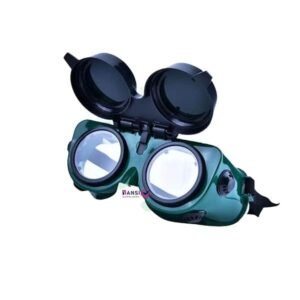
Welding Safety Goggles
Original price was: KSh 550.00.KSh 450.00Current price is: KSh 450.00. + VAT Order via WhatsApp -
Eye Protection, Face Protection
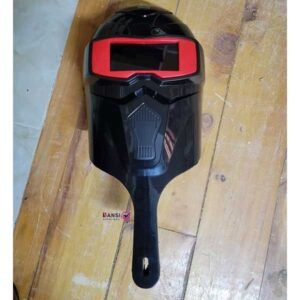
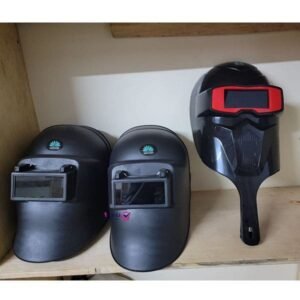
Handheld Welding Helmet Full Face Shield Mask
Original price was: KSh 800.00.KSh 655.00Current price is: KSh 655.00. + VAT Order via WhatsApp
First Aid Kits
-
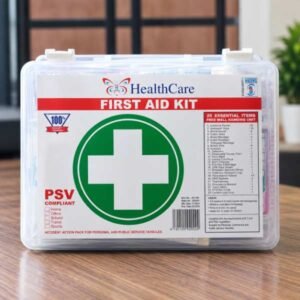
First Aid Kit
Medium First Aid Box – 25 Essential Items
Original price was: KSh 4,500.00.KSh 3,500.00Current price is: KSh 3,500.00. + VAT Order via WhatsApp -
First Aid Kit
Workers Occupational First Aid Kit
Original price was: KSh 8,500.00.KSh 7,900.00Current price is: KSh 7,900.00. + VAT Order via WhatsApp
Selecting Gloves for Flower Harvesting
Harvesting gloves should balance protection, grip, comfort and finger movement. A glove that is too bulky may make it difficult to handle flowers or operate cutting tools safely.
Consider the Main Hazard
Determine whether workers mainly require protection from thorns, cuts, abrasion, moisture, plant sap or general handling.
Select the Correct Fit
Gloves should fit securely without being excessively tight or loose. Poorly fitting gloves may affect grip and tool control.
Check Grip Performance
The glove surface should provide suitable grip when handling wet stems, tools, containers and flower bundles.
Maintain Hand Movement
Employees should be able to operate secateurs, arrange flowers and complete detailed harvesting work without unnecessary restriction.
Inspect Gloves Regularly
Check for punctures, torn fingertips, worn palms, damaged coatings and weakened seams before use.
Replace Damaged Gloves
Remove gloves from service when they no longer provide suitable protection, grip or comfort.
Selecting Footwear for Harvesting Teams
Footwear should reflect the moisture level, walking surface, working duration and potential impact hazards within the harvesting area.
Wet and Muddy Conditions
Waterproof gumboots may be suitable for irrigated areas, wet soil and muddy harvesting pathways.
Slip Resistance
Select footwear with tread suitable for wet floors, soil, concrete walkways and plant debris.
Correct Sizing
Footwear should fit securely and allow employees to walk comfortably throughout the working day.
Condition and Cleanliness
Inspect footwear for cracks, worn soles, damaged linings and contamination that may reduce protection or comfort.
Task Compatibility
Consider whether workers require waterproof gumboots, general safety footwear or additional toe protection for their assigned tasks.
Replacement Planning
Maintain suitable replacement stock in commonly used sizes to avoid employees working in damaged footwear.
Harvesting Team PPE Best Practices
PPE should be supported by safe tool use, clear walkways, supervision, worker training and prompt replacement of damaged equipment.
Issue PPE by Task
Match gloves, footwear, clothing and eye protection to the harvesting activities assigned to each employee.
Provide Correct Sizes
Maintain suitable size options for gloves, overalls, sleeves and footwear so that employees can work safely and comfortably.
Inspect Before Use
Workers should check gloves, boots, eye protection and clothing before beginning their harvesting duties.
Keep PPE Clean
Reusable PPE should be cleaned according to its material, use conditions and manufacturer's instructions.
Store Equipment Properly
Keep clean PPE in a dry, organised area away from chemicals, direct sunlight, mud and physical damage.
Replace Damaged Items
Remove torn gloves, cracked gumboots, damaged glasses and worn protective clothing from use promptly.
Maintain Cutting Tools
Sharp, well-maintained tools can be easier to control than damaged or blunt equipment that requires excessive force.
Keep Walkways Clear
Remove flower waste, abandoned tools, containers and other obstructions from harvesting routes.
Maintain First Aid Access
Ensure first aid kits are accessible and suitably stocked for cuts, punctures and other foreseeable harvesting injuries.
Planning PPE for a Flower Harvesting Team
A structured harvesting PPE schedule helps procurement and safety teams order the correct products, quantities and sizes.
Identify Harvesting Activities
List cutting, pruning, collecting, bunching, carrying and cleaning tasks performed by the team.
Assess the Hazards
Review sharp tools, thorns, wet surfaces, plant contact, eye hazards and manual handling.
Confirm Sizes and Quantities
Record worker numbers and required glove, overall, sleeve and footwear sizes.
Plan Replacements
Include replacement stock for frequently worn or damaged harvesting PPE.
Harvesting Team PPE Questions
Common questions from flower farm managers, supervisors, procurement officers and workplace safety teams.
What PPE do flower harvesting workers need?
Common requirements include protective gloves, suitable clothing, gumboots, arm sleeves, eye protection and access to first aid equipment.
Which gloves are suitable for flower harvesting?
The correct gloves depend on whether workers handle thorns, sharp stems, wet flowers, cutting tools or general plant material.
Do rose harvesters need puncture-resistant gloves?
Workers handling thorny rose stems may benefit from gloves and sleeves designed to reduce punctures and scratches.
Should harvesting workers wear arm sleeves?
Arm sleeves may be useful where workers regularly contact thorns, sharp leaves, branches or rough plant material.
Are gumboots suitable for flower harvesting?
Gumboots may be suitable in wet, muddy or irrigated areas. Footwear should also provide appropriate grip and fit.
Do harvesting workers need safety glasses?
Eye protection may be required during pruning, trimming or cutting work where stems and plant fragments may reach the eyes.
Are respirators required for ordinary harvesting?
Respirators are not normally displayed as a main harvesting product category. They may be required only where a separate respiratory hazard has been identified.
Should harvesting PPE be shared?
Personal items should be issued and managed according to the farm's hygiene, fit and PPE-control procedures.
How often should harvesting gloves be replaced?
Replace gloves when they are torn, punctured, worn, contaminated or no longer provide suitable grip and protection.
What first aid supplies should be available?
The first aid kit should reflect the farm's risk assessment and foreseeable injuries such as cuts, punctures and minor abrasions.
Can Bansi Safety Gear supply PPE for a complete harvesting team?
Yes. Submit worker numbers, sizes, required products, quantities, preferred brands and delivery location for a tailored quotation.
Can we upload an existing harvesting PPE schedule?
Yes. You can upload an RFQ, BOQ, Excel schedule, purchase requisition, product list or LPO draft through the quotation form.
Can harvesting PPE be included with greenhouse and packhouse PPE?
Yes. Bansi Safety Gear can prepare one consolidated quotation for several flower farm departments.
Do you deliver harvesting PPE within Kenya?
Provide the required products, quantities and delivery location when requesting your quotation.
Can you recommend suitable alternatives?
Where requested, the quotation team can review your specification and propose available equivalents for consideration.
Submit Your Flower Harvesting PPE Requirements
Send your worker numbers, PPE list, required sizes, quantities, preferred brands and delivery location for a structured quotation.
Information to Include
- Flower farm or company name
- Number of harvesting employees
- Flowers or crops being harvested
- Harvesting tools and activities
- Required glove types and sizes
- Required overall or sleeve sizes
- Required footwear sizes
- Eye protection requirements
- First aid kit requirements
- Required quantities
- Preferred brands or acceptable equivalents
- Delivery location
- Required delivery date
You may upload an RFQ, BOQ, Excel PPE schedule, purchase requisition, product list or LPO draft.
Email:
procurement@bansisafetygear.co.ke
Phone:
0797 619 609
WhatsApp:
Chat With the PPE Team
Harvesting Team PPE Quotation Form
Complete the form and upload your harvesting PPE schedule, RFQ, BOQ or product list. Our team will review the requirements and prepare a tailored quotation.
Protect Your Flower Harvesting Team
Speak to Bansi Safety Gear for protective gloves, sleeves, overalls, safety gumboots, eye protection, first aid kits and structured bulk quotations for flower farm harvesting employees.