Chemical Resistant Gloves for Flower Farms in Kenya
Protect employees who mix, transfer, spray and handle pesticides, fertilizers, disinfectants and other agricultural chemicals with gloves selected for the specific chemical, concentration, exposure time and work activity.
Bansi Safety Gear supplies chemical resistant gloves for flower farms in Kenya, including reusable protective gloves for pesticide handling, chemical mixing, equipment cleaning, greenhouse operations and agricultural maintenance work.
Protective Gloves for Pesticide and Chemical Handling
Flower farm employees may handle pesticides, fungicides, herbicides, fertilizers, cleaning chemicals and disinfectants during mixing, spraying, equipment cleaning and greenhouse maintenance.
The correct chemical resistant gloves help reduce direct skin contact while supporting grip, dexterity and safe handling during agricultural operations.
Protection During Chemical Mixing
Employees preparing pesticide solutions may require reusable chemical-resistant gloves with suitable cuff coverage to protect the hands and wrists from splashes.
Protection During Spraying and Cleaning
Spraying teams and equipment-cleaning employees may require gloves that resist the chemicals used while remaining practical for handling containers, hoses, nozzles and tools.
Why Flower Farm Workers Need Chemical Resistant Gloves
Hands are frequently exposed when chemicals are measured, poured, mixed, transferred, sprayed or cleaned from agricultural equipment.
Reduce Direct Skin Contact
Suitable gloves create a protective barrier between the employee's hands and the chemical being handled.
Protect the Hands and Wrists
Longer cuffs can provide additional coverage during pouring, mixing, spraying and equipment-cleaning work.
Improve Grip
Textured glove surfaces can improve grip when handling wet containers, hoses, spray equipment and chemical packages.
Support Safer Work Practices
Task-specific glove selection helps supervisors standardise hand protection across chemical-handling teams.
Reduce Contamination Risks
Correct glove removal, cleaning and storage help reduce the transfer of chemicals to vehicles, offices, eating areas and personal clothing.
Support Workplace Compliance
A documented glove-selection and replacement process supports the flower farm's chemical safety and PPE-management procedures.
Common Hand-Exposure Hazards on Flower Farms
Chemical exposure may occur during routine handling, accidental splashes, equipment cleaning, container disposal and contact with contaminated surfaces.
Pesticide Mixing
Employees may be exposed while opening containers, measuring concentrates, pouring products and preparing spray solutions.
- Use gloves recommended for the pesticide
- Protect the wrists and lower arms
- Avoid touching the face while working
- Wash hands after glove removal
Fertilizer Handling
Liquid and solid fertilizers may irritate the skin or contaminate hands during measuring, transferring and application.
- Select gloves for the fertilizer handled
- Inspect gloves before use
- Avoid using torn or punctured gloves
- Clean reusable gloves correctly
Disinfectants and Cleaning Chemicals
Cleaning teams may handle concentrated or diluted products while washing equipment, surfaces and production areas.
- Review the product safety information
- Use suitable water-resistant gloves
- Select adequate cuff coverage
- Replace contaminated gloves promptly
Spray Equipment Cleaning
Chemical residues may remain inside tanks, hoses, nozzles, filters and other spraying equipment after application.
- Wear chemical-resistant gloves
- Avoid bare-hand contact with residues
- Use designated cleaning areas
- Follow safe disposal procedures
Contaminated Containers
Empty or partly used chemical containers may have residues on caps, handles, labels and external surfaces.
- Handle containers with gloves
- Do not reuse chemical containers
- Store them in designated areas
- Follow farm disposal procedures
Contaminated Plants and Surfaces
Workers may contact recently treated flowers, leaves, benches, tools, doors or greenhouse equipment.
- Observe re-entry procedures
- Use gloves where contact is possible
- Keep clean and contaminated PPE separate
- Wash reusable gloves after use
Chemical Resistant Gloves for Different Flower Farm Tasks
The required glove design may differ according to whether the worker faces occasional splashes, repeated handling, prolonged exposure or contact with contaminated equipment.
Chemical Mixing and Measuring
Workers preparing concentrated products may require reusable chemical gloves with suitable material compatibility and extended cuff protection.
- Suitable chemical resistance
- Long cuff coverage
- Secure fit
- Textured grip
Pesticide Spraying
Spraying employees may require gloves that protect against the applied product while allowing them to operate pumps, nozzles and valves.
- Chemical-compatible material
- Comfortable hand movement
- Suitable grip
- Appropriate cuff length
Equipment Cleaning
Cleaning tanks, nozzles and hoses may create contact with concentrated residues and contaminated wash water.
- Reusable chemical-resistant gloves
- Water resistance
- Long cuff protection
- Easy cleaning
Container Handling
Employees transporting and organising chemical containers may require gloves that provide grip and protection from external contamination.
- Textured palm surface
- Suitable abrasion resistance
- Chemical compatibility
- Correct sizing
Greenhouse Re-Entry Work
Workers entering treated areas may require gloves where there is a foreseeable risk of contact with pesticide residues on plants and surfaces.
- Task-specific glove material
- Good dexterity
- Suitable cuff coverage
- Controlled cleaning and storage
Waste and Spill Handling
Employees handling contaminated waste, damaged containers or chemical spills may require additional glove protection based on the substance involved.
- Review the chemical information
- Use suitable heavy-duty gloves
- Prevent skin contact
- Dispose of damaged PPE correctly
Understanding Chemical Resistant Glove Materials
No single glove material protects against every chemical. Always confirm compatibility using the product label, safety data sheet and glove manufacturer's recommendations.
Nitrile Gloves
Nitrile gloves are widely used for chemical and agricultural work because they can provide useful resistance, grip and flexibility for many applications.
Suitability must still be confirmed for the specific pesticide, fertilizer, cleaning chemical or solvent being handled.
Neoprene Gloves
Neoprene gloves may be suitable for selected chemical-handling and cleaning tasks requiring flexibility and resistance to moisture.
Check the manufacturer's chemical-resistance information before selection.
PVC Gloves
PVC-coated gloves may be used for selected wet, cleaning and chemical-handling applications where the glove material is compatible with the product.
Consider grip, flexibility, cuff length and exposure duration.
Natural Rubber Gloves
Natural rubber gloves may provide flexibility and protection for certain agricultural and cleaning applications.
They should not be selected without confirming chemical compatibility and employee suitability.
Disposable Chemical Gloves
Disposable gloves may be appropriate for limited tasks, light contamination or short-duration handling where the chemical and manufacturer guidance permit.
They should not replace heavier reusable gloves when stronger protection is required.
Heavy-Duty Reusable Gloves
Reusable gloves with longer cuffs may be more suitable for chemical mixing, equipment cleaning and activities involving repeated splash exposure.
They require proper inspection, washing, drying and storage after use.
How to Select Chemical Resistant Gloves
Glove selection should be based on documented chemical information rather than colour, appearance or general product descriptions alone.
Identify the Chemical
Record the product name, active ingredients, concentration and whether it is handled as a concentrate or diluted solution.
Review the Safety Information
Check the pesticide label, safety data sheet and supplier instructions for recommended glove materials.
Assess the Exposure
Determine whether the task involves occasional splashes, repeated contact, immersion or contaminated surfaces.
Select the Glove Design
Confirm the material, thickness, cuff length, grip, size and expected service life.
Factors to Check Before Ordering Chemical Gloves
The most suitable glove should provide the required protection while remaining practical for the worker's assigned task.
Chemical Compatibility
Confirm that the glove material is recommended for the exact chemical or chemical mixture being handled.
Breakthrough Performance
Consider how long the material can resist chemical penetration during the expected period of use.
Glove Thickness
Thicker gloves may provide additional protection but can reduce flexibility and fine hand movement.
Cuff Length
Longer cuffs provide additional wrist and lower-arm coverage during pouring, mixing and cleaning work.
Grip
Textured palms and fingers can improve control when handling wet chemical containers, hoses and equipment.
Dexterity
The glove should allow the employee to operate caps, valves, nozzles, tools and equipment safely.
Correct Size
Gloves that are too loose can interfere with work, while gloves that are too tight may tear or reduce comfort.
Reusable or Disposable
Select the glove format according to the chemical, contamination level, manufacturer guidance and farm disposal procedures.
Other Workplace Hazards
Consider puncture, abrasion, heat, cold, sharp tools and mechanical handling hazards alongside chemical resistance.
Shop Chemical and Protective Gloves
Browse the Bansi Safety Gear hand protection category for available gloves suitable for agricultural, pesticide-handling, cleaning and industrial applications.
Hand Protection Gloves
-
Chemical Resistant Gloves, Hand Protection Gloves Kenya, PVC Gloves
PVC Gloves for Chemical Plants Kenya
Original price was: KSh 550.00.KSh 450.00Current price is: KSh 450.00. + VAT Order via WhatsApp -
Chemical Resistant Gloves, Hand Protection Gloves Kenya, PVC Gloves
PVC Gloves for Factory Workers Kenya
Original price was: KSh 450.00.KSh 300.00Current price is: KSh 300.00. + VAT Order via WhatsApp -
Chemical Resistant Gloves, Hand Protection Gloves Kenya, PVC Gloves
PVC Gloves for Water and Wet Work Kenya
Original price was: KSh 450.00.KSh 300.00Current price is: KSh 300.00. + VAT Order via WhatsApp -
Chemical Resistant Gloves, Hand Protection Gloves Kenya, PVC Gloves
PVC Gloves for Waste Handling Kenya
Original price was: KSh 450.00.KSh 300.00Current price is: KSh 300.00. + VAT Order via WhatsApp -
Chemical Resistant Gloves, Hand Protection Gloves Kenya, PVC Gloves
PVC Gloves for Agriculture Kenya
Original price was: KSh 450.00.KSh 300.00Current price is: KSh 300.00. + VAT Order via WhatsApp -
Chemical Resistant Gloves, Hand Protection Gloves Kenya, PVC Gloves
PVC Gloves for Construction Kenya
Original price was: KSh 450.00.KSh 300.00Current price is: KSh 300.00. + VAT Order via WhatsApp -
Chemical Resistant Gloves, Hand Protection Gloves Kenya, PVC Gloves
PVC Gloves for Oil & Grease Handling Kenya
Original price was: KSh 450.00.KSh 300.00Current price is: KSh 300.00. + VAT Order via WhatsApp -
Chemical Resistant Gloves, Hand Protection Gloves Kenya, PVC Gloves
PVC Gloves for Industrial Cleaning Kenya
Original price was: KSh 550.00.KSh 450.00Current price is: KSh 450.00. + VAT Order via WhatsApp
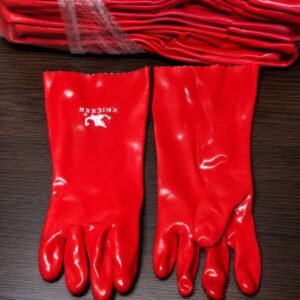
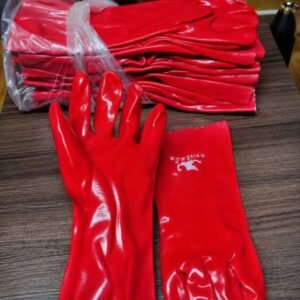

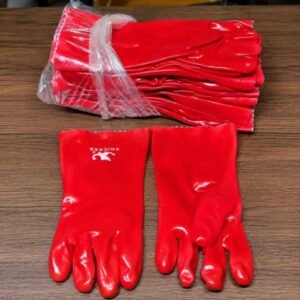



Inspecting Chemical Resistant Gloves Before Use
Chemical gloves should be inspected before each use and removed from service when they are damaged, contaminated or no longer provide suitable protection.
Check for Holes and Tears
Inspect fingertips, palms, cuffs and seams for punctures, cracks, cuts and visible damage.
Check the Glove Surface
Look for swelling, softening, hardening, discolouration, peeling or other signs of chemical degradation.
Check the Interior
Ensure the glove lining is clean, dry and free from chemical contamination.
Check Grip Performance
Replace gloves with heavily worn palms or surfaces that no longer provide secure grip.
Check the Cuffs
Damaged or shortened cuffs may reduce protection around the wrists and lower arms.
Follow Replacement Guidance
Replace gloves according to the chemical exposure, manufacturer instructions, condition and the flower farm's PPE programme.
Using Chemical Resistant Gloves Safely
The correct glove can still fail to protect the worker when it is worn, removed, cleaned or stored incorrectly.
Put Gloves On With Clean Hands
Clean and dry hands before wearing chemical gloves to reduce contamination inside the glove.
Wear the Correct Cuff Position
Position gloves and protective clothing so liquid cannot easily run into the sleeves or glove interior.
Avoid Touching Personal Items
Do not handle phones, door handles, vehicle controls or personal belongings with contaminated gloves.
Remove Gloves Carefully
Use a removal method that avoids touching contaminated outer surfaces with bare skin.
Wash Hands After Removal
Workers should wash their hands after removing gloves, even when no visible contamination is present.
Never Take Contaminated PPE Home
Chemical gloves and other contaminated PPE should remain within the workplace cleaning and storage system.
Cleaning and Storing Reusable Chemical Gloves
Reusable chemical gloves require controlled cleaning, drying, inspection and storage to maintain hygiene and prevent cross-contamination.
Follow Manufacturer Instructions
Clean reusable gloves according to the manufacturer's guidance and the chemical-handling procedure.
Clean the Outer Surface
Remove chemical residues before taking the gloves off where the approved procedure permits.
Dry Gloves Thoroughly
Allow reusable gloves to dry fully before storage and the next use.
Store Away From Chemicals
Keep clean gloves away from pesticide stores, chemical containers, direct sunlight, excessive heat and contamination.
Separate Clean and Used Gloves
Use designated storage areas or labelled containers to prevent clean PPE from mixing with contaminated items.
Record Replacement Needs
Report damaged, degraded or missing gloves so replacement stock can be issued before the next task.
Chemical Glove Best Practices for Flower Farms
A structured hand-protection programme helps ensure that workers receive chemical gloves suitable for their duties.
Maintain a Chemical Register
Keep an updated list of pesticides, fertilizers, disinfectants and cleaning products used on the farm.
Match Gloves to Each Chemical
Do not assume that one glove material is suitable for every agricultural chemical.
Issue the Correct Sizes
Maintain sufficient glove sizes for all spraying, mixing, cleaning and maintenance employees.
Train Workers Before Use
Explain glove limitations, inspection, correct wearing, removal, cleaning and replacement procedures.
Provide Replacement Stock
Keep spare gloves available for items that become torn, contaminated or damaged during work.
Separate Chemical PPE
Store chemical gloves separately from harvesting, packhouse, cold-room and general work gloves.
Supervise Glove Use
Confirm that employees are wearing the specified glove type for each chemical task.
Review After Chemical Changes
Reassess glove suitability whenever the farm introduces a new pesticide, fertilizer or cleaning chemical.
Document PPE Issuance
Record glove types, sizes, quantities, issue dates and replacement frequency to support procurement planning.
Planning Chemical Glove Requirements
A complete quotation request should identify the chemicals used, work activities, employee numbers, glove sizes and expected usage.
List the Chemicals
Provide the names of pesticides, fertilizers, disinfectants or cleaning products handled by employees.
List the Work Activities
Identify mixing, spraying, equipment cleaning, container handling and spill response tasks.
Confirm Sizes and Quantities
Record employee numbers, required glove sizes, preferred materials and estimated usage.
Plan Replacement Stock
Include additional gloves for contamination, degradation, damage and scheduled replacement.
Chemical Resistant Glove Questions
Common questions from flower farm managers, spraying supervisors, procurement officers and workplace safety teams.
Which gloves are suitable for pesticide handling?
The correct glove depends on the pesticide formulation, concentration, exposure duration and the manufacturer's chemical-resistance guidance.
Are nitrile gloves suitable for pesticides?
Nitrile may be suitable for selected pesticides, but compatibility must be confirmed for the exact product being handled.
Can one glove be used for every chemical?
No. Different chemicals may require different glove materials, thicknesses and cuff lengths.
Should pesticide-mixing gloves have long cuffs?
Longer cuffs may provide additional wrist and lower-arm protection during pouring, mixing and equipment cleaning.
Can disposable gloves be used for pesticide mixing?
Disposable gloves may not provide enough protection for concentrated chemicals or prolonged exposure. Follow the pesticide and glove manufacturer's guidance.
Can chemical resistant gloves be reused?
Some chemical gloves are reusable when the manufacturer permits and when they are cleaned, inspected, dried and stored correctly.
When should chemical gloves be replaced?
Replace gloves when they are torn, punctured, swollen, hardened, softened, discoloured, contaminated or no longer provide suitable protection.
How should workers remove contaminated gloves?
Workers should use a removal method that prevents bare skin from touching the contaminated outer surface.
Should chemical gloves be shared?
Gloves should be managed according to correct fit, hygiene, cleaning and the farm's chemical safety procedures.
Can chemical gloves be stored in the pesticide store?
Clean gloves should be stored away from chemicals and contamination in a dry, organised PPE storage area.
Are household rubber gloves suitable for pesticides?
General household gloves should not be assumed suitable. Use gloves whose material and performance match the chemical being handled.
Do workers still need to wash their hands after wearing gloves?
Yes. Workers should wash their hands after removing chemical gloves.
Can Bansi Safety Gear supply gloves in bulk?
Yes. Submit the glove specifications, sizes, quantities, preferred materials and delivery location for a tailored quotation.
Can we upload a chemical glove schedule?
Yes. You can upload an RFQ, BOQ, Excel schedule, purchase requisition, product list or LPO draft.
Can gloves be included with complete spraying PPE?
Yes. Chemical gloves can be quoted together with respirators, coveralls, goggles, gumboots, aprons and other pesticide-handling PPE.
Do you deliver chemical gloves within Kenya?
Provide your product specifications, quantities and delivery location when requesting a quotation.
Can you recommend an alternative glove?
Where sufficient chemical and task information is supplied, the quotation team can propose available alternatives for consideration.
What information is needed for glove selection?
Provide the chemical name, concentration, task, contact type, exposure duration, required sizes and preferred glove material.
Submit Your Chemical Resistant Glove Requirements
Send your chemical names, work activities, preferred glove materials, required sizes, quantities and delivery location for a structured quotation.
Information to Include
- Flower farm or company name
- Chemical or pesticide names
- Product concentration where available
- Main chemical-handling activities
- Splash, repeated-contact or immersion exposure
- Preferred glove material
- Required cuff length
- Required glove sizes
- Number of employees
- Required quantities
- Reusable or disposable preference
- Preferred brands or acceptable alternatives
- Delivery location
- Required delivery date
You may upload an RFQ, BOQ, Excel PPE schedule, chemical register, purchase requisition, product list or LPO draft.
Email:
procurement@bansisafetygear.co.ke
Phone:
0797 619 609
WhatsApp:
Chat With the PPE Team
Chemical Glove Quotation Form
Complete the form and upload your glove schedule, RFQ, BOQ, chemical list or product specifications. Our team will review the requirements and prepare a tailored quotation.
Protect Employees Handling Agricultural Chemicals
Speak to Bansi Safety Gear for chemical resistant gloves, bulk hand protection supplies and complete pesticide-handling PPE quotations for flower farms and horticultural operations.