
Ear Protection Kenya – Ear Muffs, Ear Plugs & Workplace Hearing Protection
Bansi Safety Gear supplies ear protection in Kenya for factories, workshops, construction sites, manufacturing plants, maintenance teams and other workplaces exposed to significant noise.
Compare reusable ear muffs, ear plugs, SNR ratings and product specifications before choosing hearing protection for your workers.
Hearing Protection Options
- Industrial ear muffs
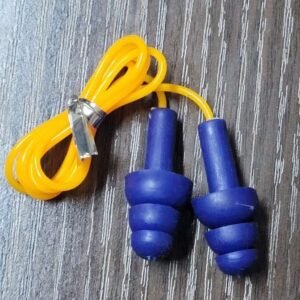
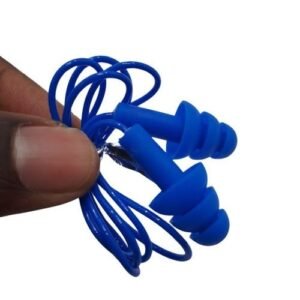
- Reusable ear plugs
- 28 dB noise protection earmuffs
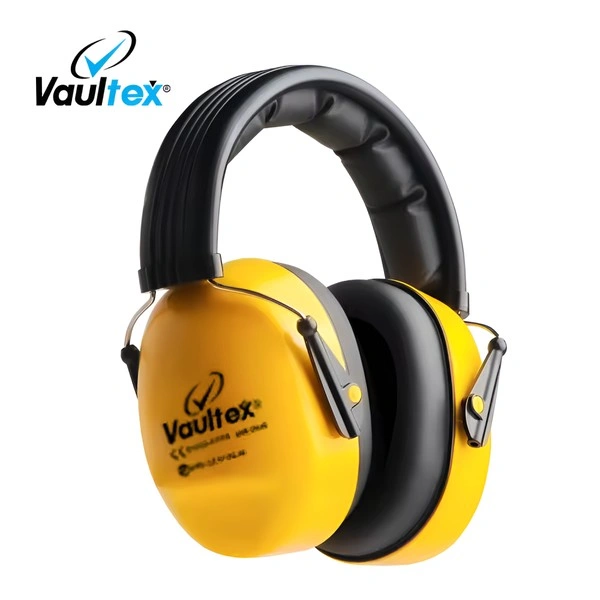
- Vaultex Yellow – SNR 30 dB
- Vaultex Black – SNR 34 dB specification
- Bulk workplace PPE quotations
Call / WhatsApp: 0797 619 609
Workplace Ear Protection in Kenya
Hearing protection should be selected according to the actual noise exposure, required attenuation, fit, comfort and compatibility with other PPE.
Ear Muffs
Reusable over-ear hearing protectors that surround the ears and are available with different attenuation ratings.
Ear Plugs
Compact in-ear hearing protection for suitable workplace noise environments where the plug's attenuation and fit match the task.
Bulk Hearing Protection
Companies can request earmuffs and ear plugs for departments, factories, sites, branches and recurring PPE requirements.
Why Hearing Protection Matters at Work
Machinery, grinding, drilling, cutting equipment, compressors, generators and production processes can expose workers to significant workplace noise.
Where other workplace controls do not sufficiently reduce the remaining exposure, correctly selected hearing protection may form part of the overall noise-control programme.
The aim is not simply to choose the product with the highest attenuation rating. Hearing protection should match the actual exposure while allowing workers to maintain necessary awareness of alarms, instructions and warning signals.
Common Noise Sources
- Production machinery
- Grinding equipment
- Cutting tools
- Compressors
- Generators
- Drilling equipment
- Construction machinery
- Fabrication operations
Shop Ear Protection Equipment in Kenya
Browse current ear muffs, ear plugs and hearing-protection products and check the live WooCommerce prices.
-
-
Ear Muffs Kenya, Ear Protection Equipment Kenya
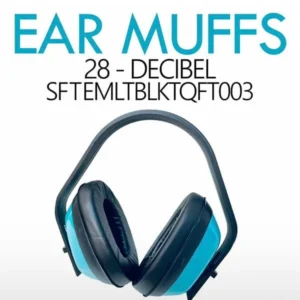
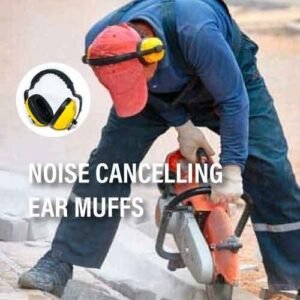
Ear Muffs for Noise Protection – 28 dB
Original price was: KSh 400.00.KSh 300.00Current price is: KSh 300.00. + VAT Order via WhatsApp -
-
Ear Muffs Kenya, Ear Protection Equipment Kenya
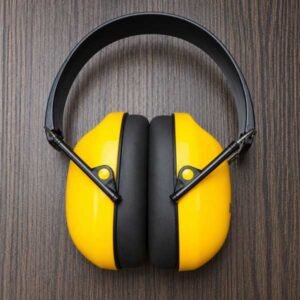
Industrial Safety Ear Muffs – Vaultex SNR 25 dB
Original price was: KSh 1,500.00.KSh 1,200.00Current price is: KSh 1,200.00. + VAT Order via WhatsApp -
-
Ear Muffs Kenya, Ear Protection Equipment Kenya
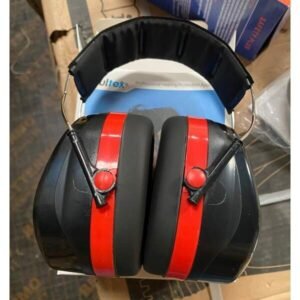
Vaultex Ear Muff
Original price was: KSh 1,800.00.KSh 1,600.00Current price is: KSh 1,600.00. + VAT Order via WhatsApp -
Ear Muffs Kenya, Ear Protection Equipment Kenya
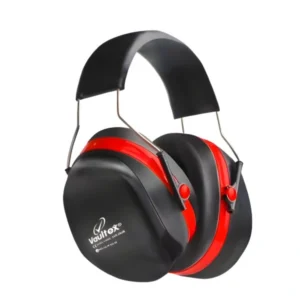
Vaultex Ear Muffs Black
Original price was: KSh 3,000.00.KSh 2,500.00Current price is: KSh 2,500.00. + VAT Order via WhatsApp -
Ear Muffs Kenya, Ear Protection Equipment Kenya
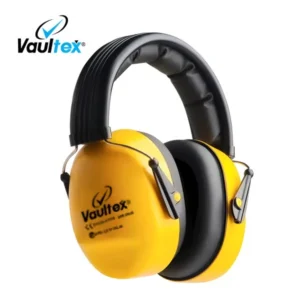
Vaultex Ear Muffs Yellow
Original price was: KSh 2,500.00.KSh 1,600.00Current price is: KSh 1,600.00. + VAT Order via WhatsApp
Compare Ear Muffs for Workplace Noise Protection
Different earmuffs in the Bansi Safety Gear range have different attenuation figures and product specifications.
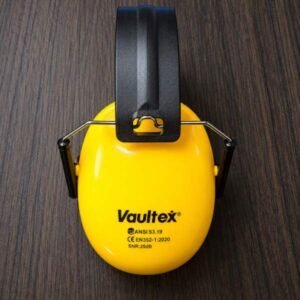
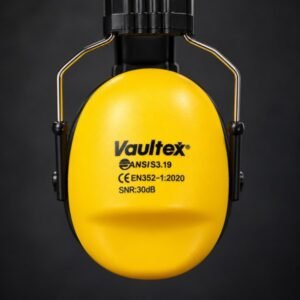
Vaultex Yellow Ear Muffs – SNR 30 dB
The Vaultex Yellow model is marked SNR 30 dB, EN 352-1:2020, ANSI S3.19 and carries a visible CE marking.
Its high-visibility yellow cups make it easy to identify in workplace environments.
Vaultex Black Ear Muffs – SNR 34 dB
According to the supplied specification, the Vaultex Black model has an SNR of 34 dB and an NRR of approximately 28–30 dB.
It also features ABS ear cups, PU foam cushions, a stainless-steel headband and foldable construction.
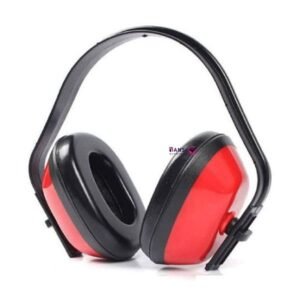
28 dB Ear Muffs for Noise Protection
The blue-and-black Ear Muffs for Noise Protection are identified with a 28 dB noise-reduction figure.
They provide another reusable option for suitable industrial, workshop and construction noise environments.
What Does SNR Mean on Ear Muffs?
SNR means Single Number Rating. It provides a standardized reference for the attenuation performance of a hearing protector.
For example, earmuffs in the current range may carry figures such as SNR 30 dB or SNR 34 dB.
The rating helps with product comparison, but it should not be treated as a guarantee that every wearer will receive exactly that reduction in real workplace conditions.
Actual Protection Depends On
- Correct fit
- Seal around the ears
- Noise characteristics
- Exposure duration
- Cushion condition
- Other PPE being worn
- Consistent use
SNR vs NRR – Hearing Protection Ratings Explained
SNR and NRR are different rating systems and their numerical values should not simply be treated as interchangeable.
SNR
Single Number Rating is commonly used as a simplified attenuation reference for hearing protectors.
NRR
Noise Reduction Rating is another attenuation system that may appear on certain hearing-protection products.
Procurement Rule
If your tender or employer specifies a particular rating system, purchase against that exact requirement rather than assuming two different figures mean the same thing.
Ear Muffs vs Ear Plugs
Both can provide hearing protection when correctly selected, fitted and used.
Ear Muffs
Ear muffs are reusable, easy to put on and remove, and highly visible when workers are wearing hearing protection.
They can be practical where employees regularly move between quieter and noisy areas.
Ear Plugs
Ear plugs offer compact hearing protection and may be useful where correctly fitted low-profile protection is preferred.
Their effectiveness also depends heavily on correct insertion and fit.
Which Should You Choose?
Select according to required attenuation, fit, comfort, exposure duration and compatibility with the worker's other PPE.
Ear Protection for Different Workplaces
Workplace noise differs by industry, equipment, task and duration of exposure.
Factories
Production machinery, motors, compressors and processing equipment can create sustained workplace noise.
Construction Sites
Drilling, generators, cutting, demolition and powered machinery may require suitable hearing protection.
Workshops
Grinding, drilling, compressors and fabrication equipment may expose workshop employees to high noise levels.
Manufacturing
Long-duration machinery exposure means both attenuation and comfort can be important when choosing hearing protection.
Maintenance Teams
Reusable earmuffs can suit technicians who move between quiet areas and designated high-noise zones.
Warehouses & Logistics
Hearing protection may be required in selected machine rooms, loading areas or operations where significant noise is present.
Correct Fit Is Essential
Even a high-rated hearing protector may provide less protection when it is not fitted correctly.
Ear muff cushions should surround the ears and maintain an appropriate seal.
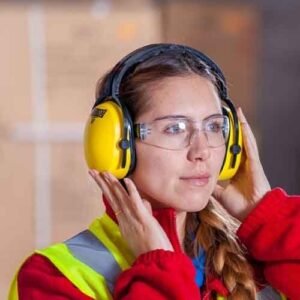
Hair, head coverings, some eyewear and other PPE can interfere with that seal.
Before Entering a Noisy Area
- Adjust the hearing protector
- Check both ear cups
- Check the cushion seal
- Check eyewear interference
- Check helmet compatibility
- Check product condition
Using Ear Muffs With Safety Helmets
Over-head earmuffs should not be forced into a position that prevents either the helmet or hearing protector from fitting correctly.
Where helmet-mounted hearing protection is specifically required, use equipment designed for the applicable attachment system.
Check Compatibility With Other PPE
Workers may need to wear hearing protection together with helmets, safety glasses, face protection or respiratory equipment.
Each item should remain correctly fitted when used as part of the complete PPE system.
Higher Noise Reduction Is Not Always Better
The goal is appropriate protection, not simply the highest available attenuation figure.
Communication
Excessive attenuation may make verbal communication more difficult.
Warning Signals
Workers may still need to hear alarms, machinery alerts and other safety-critical sounds.
Select by Exposure
Use the actual workplace noise assessment to determine the required hearing protection rather than choosing by SNR alone.
Inspect Ear Protection Before Use
Reusable hearing protection should remain clean, complete and capable of fitting correctly.
Ear Cups
Check for cracks, physical damage and contamination.
Cushions
Replace hearing protection when worn, torn or hardened cushions prevent an appropriate seal.
Headband & Adjustment
Make sure adjustment components remain secure and allow the product to fit correctly.
How to Choose Ear Protection
Start with the noise hazard and compare price only after confirming the protection requirement.
Assess Noise
Identify the noise source, exposure level and duration.
Choose Attenuation
Determine the required hearing-protection performance.
Check Fit & PPE
Confirm comfort, seal and compatibility with other equipment.
Compare Products
Compare technical information, current availability and price.
Hearing Protection Standards & Product Specifications
Standards, attenuation ratings and technical markings are product-specific.
Do not assume that every earmuff in the category carries the same EN standard, SNR or NRR figure.
Where your company or tender requires a particular standard, compare that requirement with the exact product information and supporting documentation.
Check Before Procurement
- Product model
- Required attenuation
- SNR or NRR requirement
- Required standard
- Fit and PPE compatibility
- Required quantity
- Technical documents if required
Bulk Ear Protection for Companies in Kenya
Bansi Safety Gear supports hearing-protection requirements for factories, contractors, workshops, manufacturers, warehouses, institutions and project teams.
Factories
Supply earmuffs or ear plugs for production, engineering and maintenance departments.
Construction Companies
Request hearing protection for project sites, workers and contractors.
Manufacturers
Submit recurring hearing-protection requirements for noisy operations.
Formal Quotations
Request pricing according to the exact products and quantities required.
LPO Purchasing
LPO-based purchasing is available for qualifying organizations subject to agreed commercial terms.
Kenya Delivery
Delivery arrangements are available according to order quantity, availability and destination.
Request Ear Protection for Your Workplace
Send your earmuff or ear plug requirement for product, specification, availability and quotation review.
Procurement teams can submit a product list, PPE schedule, BOQ or formal RFQ.
Include These Details
- Ear muffs or ear plugs
- Quantity required
- Noise environment
- Required SNR or attenuation if specified
- Required standard if specified
- Preferred brand or model
- Delivery location
- Required delivery date
Ear Protection Supplier in Nairobi, Ruiru & Kenya
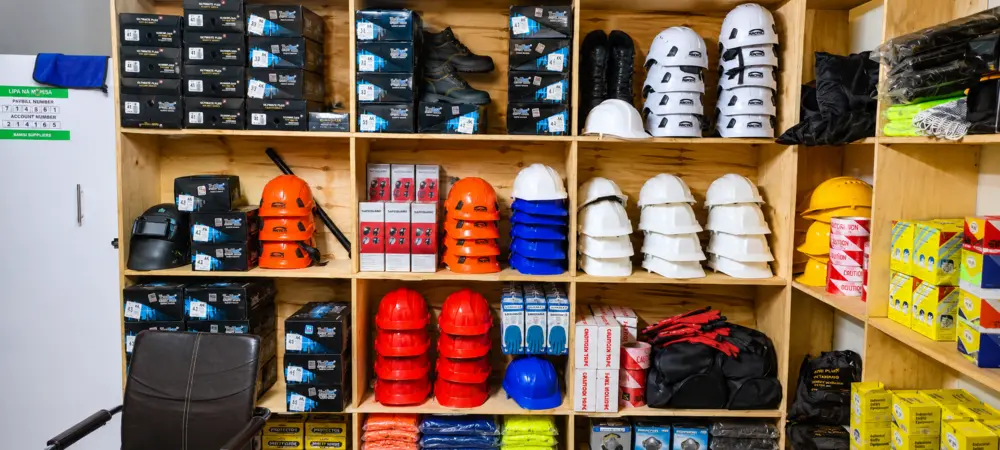
Bansi Safety Gear supports customers purchasing ear muffs, ear plugs and workplace hearing protection in Nairobi, Ruiru and other locations across Kenya.
Visit us at Imani Place, Kihunguro, Ruiru, next to Mark Hotel.
Contact the team before visiting when you need to confirm the exact hearing-protection model or current availability.
Contact Bansi Safety Gear
Phone / WhatsApp: 0797 619 609
Email: procurement@bansisafetygear.co.ke
Location: Imani Place, Kihunguro, Ruiru
Explore Related Workplace PPE
Hearing protection is one part of a complete workplace PPE system.
Request an Ear Protection Quotation
Request pricing for ear muffs, ear plugs or larger workplace hearing-protection requirements.
Ear Protection Kenya FAQs
Common questions about hearing protection, ear muffs, ear plugs and attenuation ratings.
What is the best ear protection for workplace noise?
The correct product depends on the noise exposure, required attenuation, fit, comfort and compatibility with other PPE.
What does SNR mean?
SNR means Single Number Rating and provides a standardized attenuation reference for hearing protection.
Are ear muffs better than ear plugs?
Neither is automatically better. Both can provide suitable protection when correctly selected and fitted.
Is a higher SNR always better?
No. Excessive attenuation can interfere with communication, alarms and other important workplace sounds.
What SNR do I need?
The required attenuation depends on the actual workplace noise level, exposure duration and applicable assessment.
Can ear muffs be reused?
Many earmuffs are reusable when they are properly cleaned, inspected and maintained.
Can ear muffs be worn with safety helmets?
Compatibility depends on the products. Both items must remain correctly fitted when worn together.
Do you supply ear protection for factories?
Yes. Bansi Safety Gear supplies suitable earmuffs and ear plugs for company and industrial requirements.
Do you supply construction hearing protection?
Yes. Construction companies can request hearing protection according to their required specification and quantity.
Can companies buy ear protection in bulk?
Yes. Submit the product type, quantity and required technical specification for quotation.
Where can I compare ear muff prices?
Visit the Ear Muffs category to compare currently displayed products and prices.
When should ear muffs be replaced?
Replace hearing protection when damage, wear or deterioration prevents correct fitting or reliable use.
Shop Ear Protection in Kenya
Compare ear muffs, ear plugs, attenuation ratings and workplace requirements before selecting hearing protection for your workers.
Bansi Safety Gear — Gear Up. Stay Safe. Get It Done.