

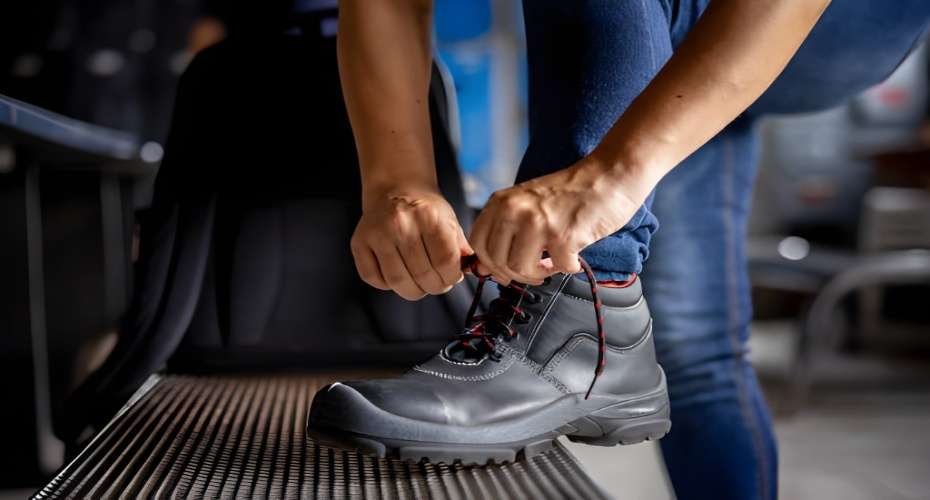
Top Reasons Why Safety Boots Are Essential for Workers in Kenya
In the rising industries of Kenya, such as construction, manufacturing, agriculture, logistics, and mining, employees are exposed to a day. The risk of foot injury can always occur in heavy machinery, sharp objects, or even falling items and slippery floors. When most workers consider helmets, gloves, or reflector jackets, one of the common PPEs is the safety boots that are commonly forgotten.
We understand that at Bansi Safety Gear, inappropriate footwear may be the difference between a safe and productive workday and an expensive accident. This article discusses the importance of safety boots to workers in Kenya and why employers should take them seriously.
Common Workplace Foot Hazards in Kenya
Workplaces present unique risks depending on the industry. Some of the most common hazards include:
- Falling Objects: Tools, bricks, and equipment may cause severe foot injuries.
- Sharp Objects: Nails, scrap metal, and broken glass may easily pierce regular shoes.
- Slips and Falls Slippery or uneven floors contribute to falls and injuries (sprains and fractures).
- Electrical Hazards: Electric shocks may occur on live wires or faulty cables.
- Extreme Weather: The employees working in the open areas are often exposed to muddy, wet, or very hot weather.
The lack of safety footwear exposes workers to needless hazards that may result in lost working days, medical costs, or even disability.
Why Safety Boots Are a Must-Have
Safety boots are also made with the objective of protection, comfort, and productivity. This is why they are critical in Kenyan workplaces:
- Protection Against Impact and Compression
Toe caps are made of steel or composite to prevent falls and rolling objects or equipment from falling on a foot. - Slip Resistance
The anti-slip soles of most safety boots are more effective on oily, wet, and uneven surfaces, and they minimize accidents. - Puncture Resistance
Nail injuries and cuts caused by sharp metals or glass are avoided because of reinforced mid-soles. - Electrical Protection
Some safety boots have non-conductive soles, which minimize the possibility of being electrocuted. - Durability in Harsh Environments
Safety boots are also made of strong leather, rubber, or synthetic parts that are durable, in contrast to regular shoes, due to the challenging working conditions. - Comfort and Support
Contemporary safety boots are designed to support the arch, cause less fatigue, and ensure workers are productive throughout the day.
Kenyan Regulations on Workplace Safety
Kenya’s Occupational Safety and Health Act (OSHA) obligates employers to provide workers with the correct PPE, such as safety boots, depending on the job risks. Firms, manufacturers, and contractors who do not comply will face fines, legal action, and increased insurance claims in the worst-case scenario of accidents.
Employers can also safeguard their businesses by saving legal and financial damages and investing in work safety shoes that protect not only their employees but also their businesses.
Industries That Need Safety Boots Most
Although all workers may find protective footwear helpful, specific sectors in Kenya would use it because it is a mandatory safety item:
- Construction Sites Construction Sites To guard against falls of materials, sharp edges, and rugged floors.
- Factories and Manufacturing -Where heavy machinery and electrical hazards occur frequently.
- Mining and Quarrying -Hard conditions, with sharp rocks and slippery floors.
- Transportation and Logistics– Drivers and loaders of heavy transportation.
- Agriculture -Farmers and field workers must work in muddy or rugged grounds.
Choosing the Right Safety Boots
The workers and employers should consider: when purchasing safety boots in Kenya.
- Quality of material-Leather or synthetic waterproofed boots have more extended durability.
- Toe Protection: Toe caps made of steel offer the best protection which are lighter in weight.
- Sole Type– Anti-slip, Puncture-resistant, and Shock-absorbing soles.
- Comfort, Long, breathable lining, and cushioned insoles.
- Certification: Boots should follow safety standards like KEBS and international standards.
Why Buy from Bansi Safety Gear?
We are the dealers of safety boots at Bansi Safety Gear, which are suitable for the harsh working conditions in Kenya. Our boots are:
- Durable and long-lasting
- Lightweight but strong
- Comfortable for all-day wear
- Low-end and not having to forego quality.
- Men and women can wear it in any size and style.
Bansi Safety Gear can provide you with the best value and protection, whether looking for safety boots for a small team or a large-scale company supply.
Final Thoughts
Safety in the workplace begins at the very bottom of the workplace. It is not something optional, but a safety boot is a necessity. They safeguard employees against injuries, enhance confidence, and adhere to safety rules in the Kenyan workplace.
Investing in good safety boots implies an employer cares about the well-being of their employees, and employees who wear such boots acquire the freedom of conscience to work at their best.
A worker’s action should be safe and secure at Bansi Safety Gear. Provide your employees with the appropriate safety boots now and decrease the risks tomorrow.