Welcome to Bansi Safety Gear — PPE and safety equipment supplier in Kenya.   Fast quotation turnaround   for safety boots, helmets, gloves, reflectors, respirators, fall protection and bulk workplace PPE orders. Call or WhatsApp  0797619609  for quick support and delivery assistance.

Blog Post

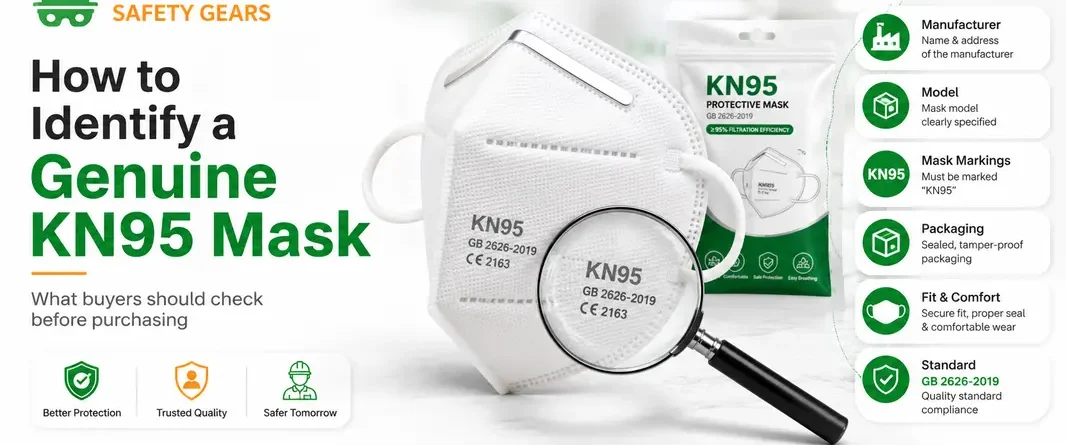
How to Identify a Genuine KN95 Mask in Kenya

How to Identify a Genuine KN95 Mask in Kenya

Buying a respirator based only on the words “KN95” printed on the mask is not enough. If you are trying to understand how to identify a genuine KN95 mask, check the complete product: manufacturer, model, markings, packaging, applicable standard, documentation and supplier information. This is especially important for companies purchasing respiratory PPE for employees because counterfeit or misrepresented respirators may not provide the protection buyers expect. NIOSH similarly warns that counterfeit and misrepresented respirators can fail to provide the claimed level of...

Read more...
KN95 vs surgical mask Kenya

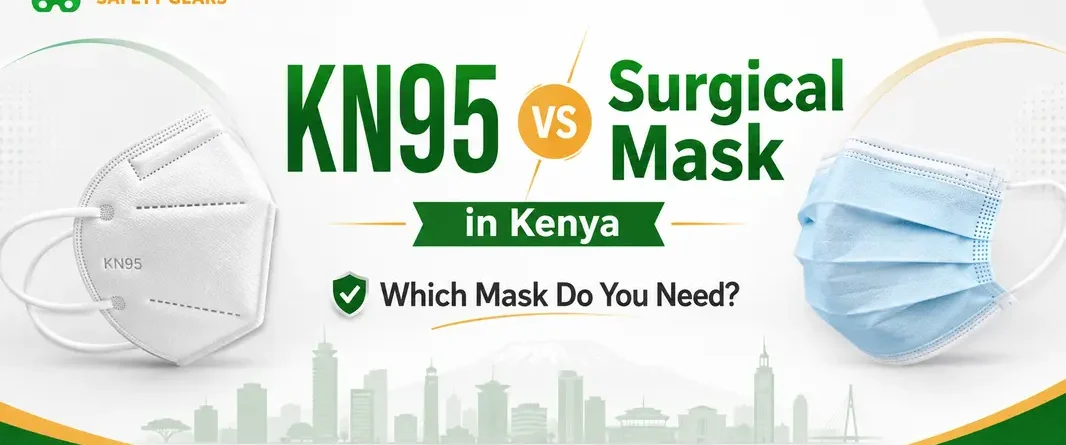
KN95 vs Surgical Mask Kenya

When comparing a KN95 vs surgical mask in Kenya, it is important to understand that the two products are designed differently and should not automatically be treated as interchangeable. A KN95 is a close-fitting filtering facepiece respirator intended for suitable airborne particulate hazards when the exact product meets the applicable specification and fits the wearer correctly. A surgical or medical-style mask is generally a looser-fitting face covering designed around a different purpose and product specification. For workplaces, the right choice should depend on...

Read more...
N95 vs KN95 Masks Kenya

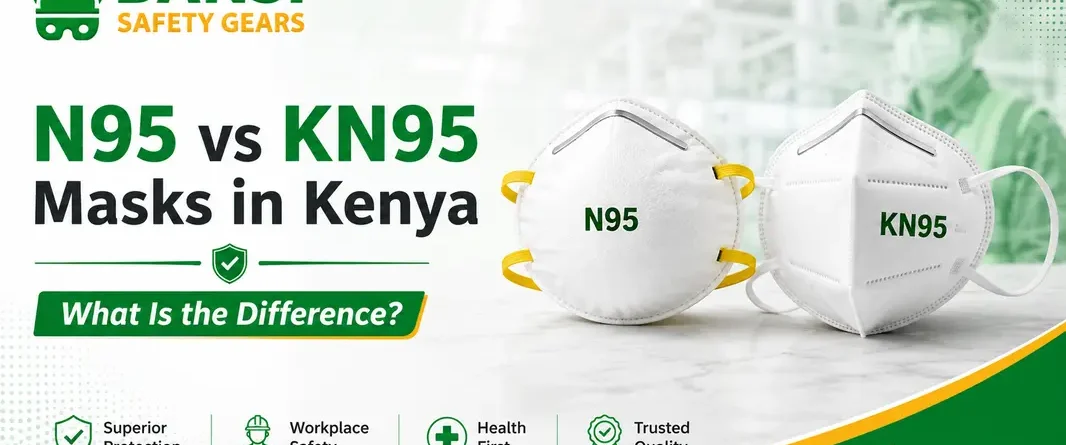
N95 vs KN95 Masks Kenya

If you are comparing N95 vs KN95 masks in Kenya, the two respirators can look very similar, but they should not automatically be treated as identical products. Both are filtering facepiece respirators used for protection against suitable airborne particles. However, they are associated with different standards, approval systems, product markings and procurement requirements. For an individual buyer, the question may simply be: Should I buy an N95 or a KN95 mask? For a safety officer or procurement team, the better question is: Which respirator meets...

Read more...
Bump Cap vs Safety Helmet

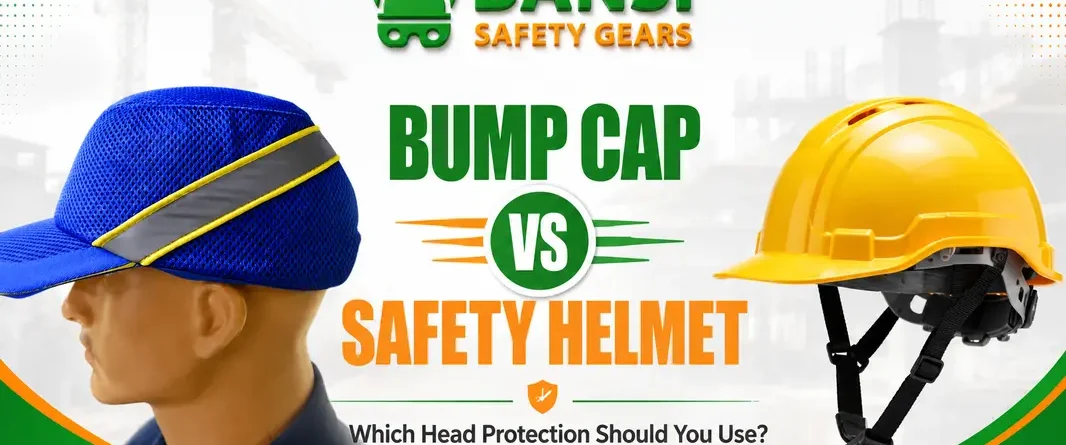
Bump Cap vs Safety Helmet

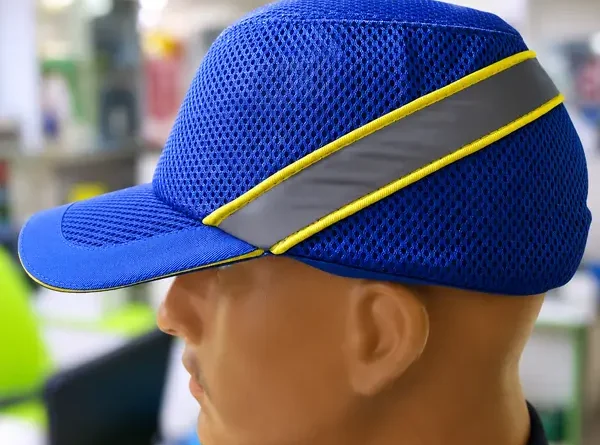
Choosing between a bump cap and a safety helmet depends on the workplace hazard. Both are forms of head protection, but they are designed for different risks. A bump cap may be suitable where a worker can accidentally strike their head against a hard, stationary object. A safety helmet is used where more serious hazards such as falling objects may be present. Before buying, compare the available options in our Bump Cap Price in Kenya guide or browse our Safety...

Read more...
How to Use Wet Floor Signs Correctly

How to Use Wet Floor Signs Correctly

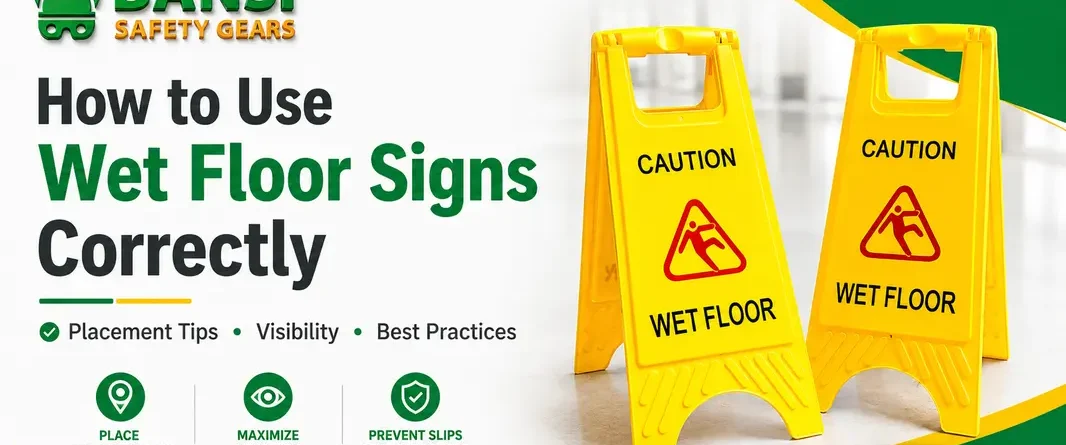
Wet Floor signs are among the most recognizable temporary workplace warning signs, but simply placing one somewhere near a wet surface does not automatically make the warning effective. For a Wet Floor sign to be useful, the message should match the actual condition, the board should be visible to people approaching the affected area, and it should be used alongside appropriate cleaning, housekeeping and access-control measures where those are required. This guide explains how to use Wet Floor signs correctly, where to...

Read more...
Types of Caution Boards

Types of Caution Boards

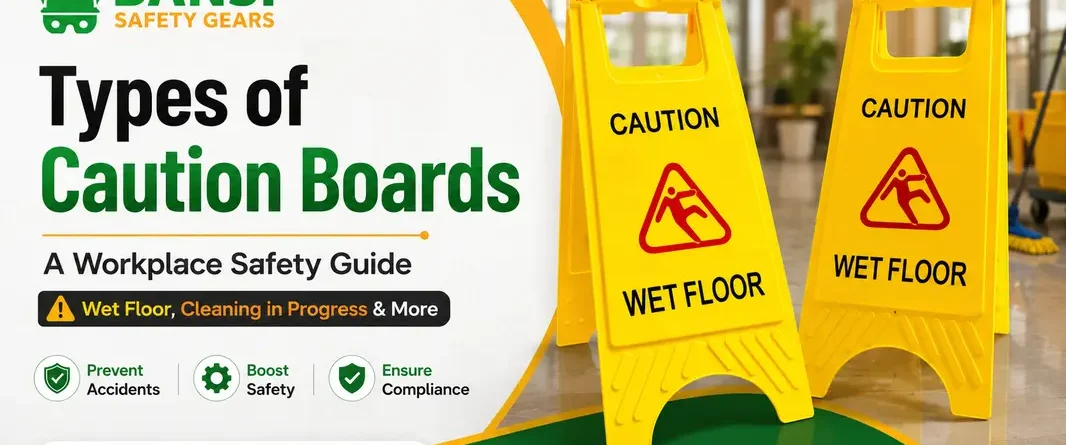
Caution boards are a simple but important form of temporary workplace communication. They help employees, visitors, customers and other people approaching an area understand that a temporary condition or activity requires additional attention. You may see caution boards during floor cleaning, housekeeping, maintenance, repairs, servicing or other temporary workplace activities. However, not every caution board communicates the same thing. A Wet Floor sign, for example, communicates something different from a Work in Progress sign. Likewise, a Cleaning in Progress sign focuses on an...

Read more...
PVC Gloves vs Latex Gloves

PVC Gloves vs Latex Gloves

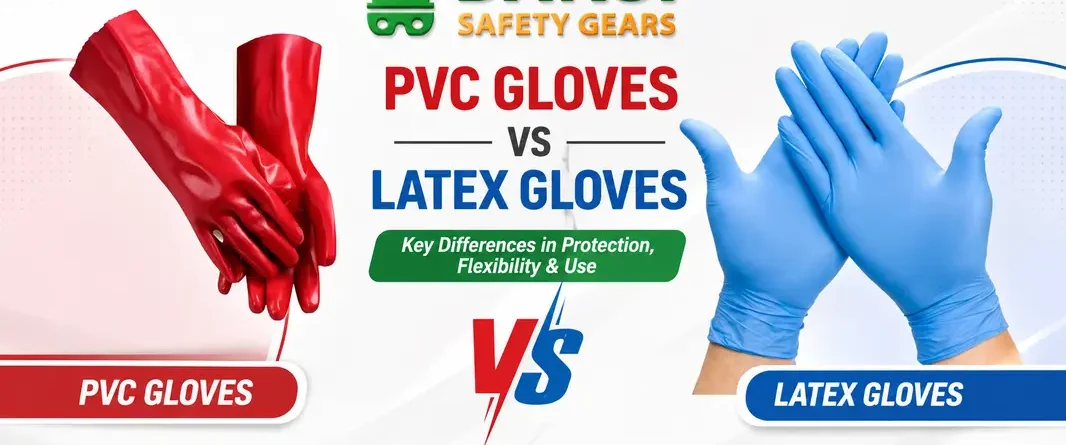
PVC gloves and latex gloves are both used for hand protection, but they differ in material, flexibility, chemical performance, durability and common workplace applications. The right choice depends on the task, type of exposure, required dexterity, glove thickness and whether the glove will be reused or disposed of after use. PVC gloves are made from polyvinyl chloride and are widely used for cleaning, wet work, maintenance and selected industrial applications. Latex gloves are made from natural rubber latex and are known...

Read more...
PVC Gloves vs Nitrile Gloves

PVC Gloves vs Rubber Gloves

PVC gloves and rubber gloves are both commonly used for cleaning, wet work and general hand protection, but they have different material properties and applications. The better option depends on the task, chemical exposure, required flexibility, glove length, durability and whether the glove is intended for repeated use. PVC gloves are made from polyvinyl chloride, while the term “rubber gloves” often refers to gloves made from natural rubber latex or other rubber-based materials. For a complete overview of PVC glove types and...

Read more...
PVC Gloves vs Nitrile Gloves

PVC Gloves vs Nitrile Gloves

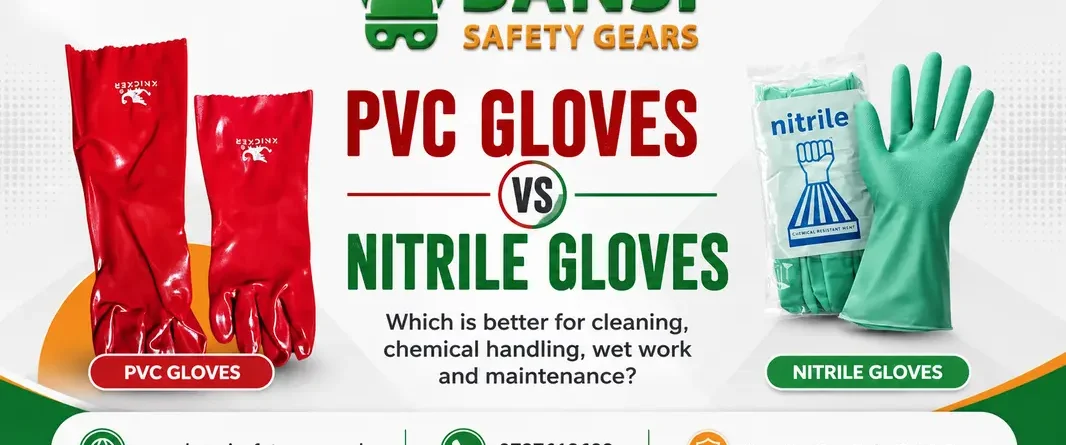
PVC gloves and nitrile gloves are both widely used for hand protection, but they are not the same. The better choice depends on the task, glove construction, chemical exposure, required dexterity, grip and whether the glove is intended to be reusable or disposable. PVC gloves are commonly used for cleaning, wet work, maintenance, industrial handling and selected chemical applications. Nitrile gloves are available in both disposable and reusable forms and are often selected for tasks requiring chemical resistance, dexterity, close fit...

Read more...
What Are PVC Gloves Used For?

Are PVC Gloves Chemical Resistant?

PVC gloves can be chemical resistant, but they are not suitable for every chemical. Their level of protection depends on the specific PVC formulation, glove thickness, chemical involved, concentration, temperature and duration of exposure. PVC, or polyvinyl chloride, is commonly used in reusable protective gloves for cleaning, wet work, industrial maintenance and selected chemical-handling applications. However, workers should never assume that a glove is safe for a chemical simply because it is made from PVC. For available glove types and applications, visit...

Read more...