PPE for Flower Farms in Kenya
Protect greenhouse, pesticide-spraying, harvesting, packhouse, cold-room and maintenance teams with task-appropriate personal protective equipment for flower farm operations.
Bansi Safety Gear supports flower farms, horticultural businesses and agricultural exporters with professional PPE sourcing, product guidance and structured quotation support.
Protecting Workers Across the Flower Farm
Flower farming involves different departments, activities and hazards. A greenhouse worker does not face the same risks as a pesticide applicator, harvesting employee, packhouse operator or cold-room worker.
Task-Specific Protection
One general PPE set may not provide suitable protection for every employee. Product selection should reflect the actual task, hazard, duration of exposure and compatibility between different PPE items.
Operational Safety
Correct PPE helps reduce exposure to chemicals, wet surfaces, sharp tools, cold environments, dust, noise, sunlight and other workplace hazards.
Build a Safer Flower Farm Workplace
A structured PPE programme supports worker protection, operational continuity and consistent safety practices across the farm.
Reduce Hazard Exposure
Help protect employees from chemical contact, airborne contaminants, sharp tools, wet surfaces, cold temperatures and other job-specific risks.
Improve PPE Consistency
Define suitable PPE for each department instead of relying on one undifferentiated set for every worker.
Support Productivity
Comfortable, correctly sized and suitable PPE allows employees to perform their duties with greater confidence and fewer avoidable interruptions.
Strengthen Safety Culture
Clear PPE requirements, inspections, replacement schedules and worker training help reinforce safe behaviour throughout the operation.
Flower Farm PPE by Department
Explore safety requirements for the main work areas found in flower farms and horticultural operations.
Greenhouse Workers PPE
PPE for planting, pruning, irrigation, crop care and routine greenhouse activities in humid and wet working conditions.
- Protective gloves
- Safety gumboots
- Lightweight overalls
- Safety glasses
- Knee protection
Pesticide and Spraying PPE
Specialized protection for employees who mix, handle or apply pesticides, fertilizers and other agricultural chemicals.
- Suitable respirators
- Chemical-resistant gloves
- Chemical-resistant coveralls
- Safety goggles or face shields
- Chemical-resistant gumboots
Harvesting Team PPE
Protection for employees cutting, collecting, carrying and transferring flowers during harvesting activities.
- Cut-resistant gloves
- Protective sleeves
- Safety gumboots
- Lightweight overalls
- Eye and sun protection
Packhouse PPE
PPE for sorting, grading, trimming, bunching, packing and preparing flowers for dispatch and export.
- Protective gloves
- Aprons
- Safety footwear
- Protective clothing
- Eye protection where required
Cold Room PPE
Insulated clothing and accessories for employees working in refrigerated storage and flower-preservation areas.
- Cold-room jackets
- Thermal gloves
- Thermal overalls
- Insulated safety footwear
- Head and neck protection
Flower Farm Safety Equipment Categories
Select products according to the work activity, exposure level, manufacturer instructions and the farm's risk assessment.
Respirators and Masks
Respiratory protection for pesticide spraying, chemical handling, dusty activities and other airborne hazards.
Chemical-Resistant Gloves
Hand protection for chemical mixing, spraying, cleaning and handling contaminated materials.
Safety Gumboots
Waterproof and slip-resistant footwear for wet greenhouses, muddy areas, washing activities and chemical-handling tasks.
Protective Overalls
Reusable and task-specific protective clothing for greenhouse, harvesting, spraying and general maintenance teams.
Aprons and Protective Sleeves
Additional body and arm protection for chemical handling, harvesting, cleaning and packhouse operations.
Eye and Face Protection
Safety goggles and face shields for chemical splashes, flying particles, trimming and maintenance activities.
Emergency Eyewash
Emergency flushing products for areas where employees may be exposed to chemical splashes or irritating substances.
First Aid Equipment
First aid kits, cabinets and workplace emergency products for greenhouses, packhouses, stores, offices and vehicles.
Fire Safety Equipment
Fire extinguishers, fire blankets, fire points and related equipment for offices, workshops, chemical stores and operational areas.
Safety Signs
Warning, mandatory, prohibition, emergency and directional signs for chemical stores, spraying areas, packhouses and shared facilities.
Spill-Control Equipment
Absorbents and spill-response products for agricultural chemicals, fuels, oils and maintenance liquids.
Hearing and Head Protection
Ear protection and safety helmets for selected maintenance, machinery, construction and engineering activities within the farm.
Flower Farm Hazards and Recommended PPE
PPE forms part of a wider safety system and should be selected after identifying the actual hazards present in each work area.
Chemical Exposure
Consider suitable respirators, chemical-resistant gloves, protective coveralls, safety goggles, face shields and chemical-resistant footwear.
Wet and Slippery Surfaces
Use suitable slip-resistant safety gumboots or footwear and maintain good housekeeping, drainage and warning-sign procedures.
Cold-Room Exposure
Provide thermal clothing, insulated gloves, suitable footwear and exposure-control procedures for refrigerated work areas.
Dust and Airborne Contaminants
Select respiratory protection according to the contaminant, exposure level, product instructions and workplace assessment.
Sharp Tools and Plant Material
Consider cut-resistant gloves, protective sleeves, eye protection and safe handling procedures for harvesting and trimming work.
Noise and Machinery
Maintenance and machinery teams may require hearing protection, eye protection, gloves, helmets and task-specific safety equipment.
Sun and Outdoor Exposure
Outdoor teams may require protective clothing, headwear, eye protection and suitable work-rest arrangements.
Emergency Incidents
Maintain accessible first aid kits, eyewash products, fire equipment, spill-response materials, emergency signs and trained responders.
Featured Flower Farm PPE
Browse selected PPE and safety products suitable for flower farm, horticultural and agricultural operations.
Respiratory Protection
-
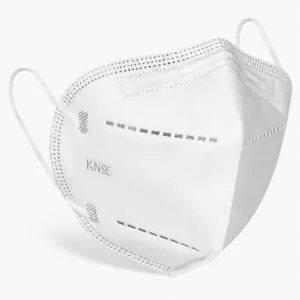
Dust Mask, KN95 Masks, Respiratory Protection
Foldable KN95 Mask – Non-Valved Particulate Respirator
Original price was: KSh 90.00.KSh 70.00Current price is: KSh 70.00. + VAT Order via WhatsApp -
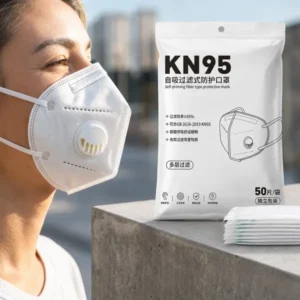
Dust Mask, KN95 Masks, Respiratory Protection
Valved KN95 Mask – Particulate Respirator
Original price was: KSh 100.00.KSh 80.00Current price is: KSh 80.00. + VAT Order via WhatsApp -
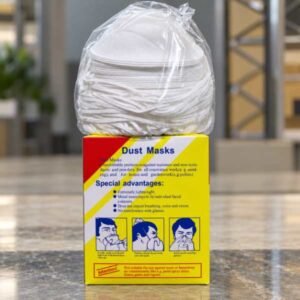
Dust Mask, Respiratory Protection
Disposable Dust Mask – 50 Pieces Yellow Box
Original price was: KSh 1,200.00.KSh 950.00Current price is: KSh 950.00. + VAT Order via WhatsApp -
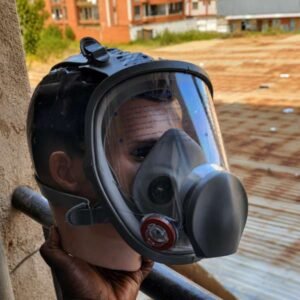
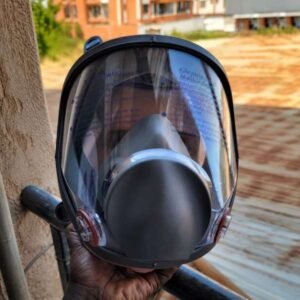
Chemical Respirators, Respiratory Protection
Full Face Respirator Mask 6800
Original price was: KSh 8,500.00.KSh 6,500.00Current price is: KSh 6,500.00. + VAT Order via WhatsApp
Safety Gloves
-
Hand Protection Gloves Kenya, Nitrile Safety Gloves, Safety Gloves, Surgical Gloves
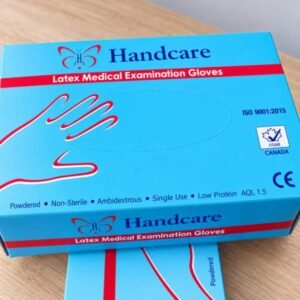
Handcare Powdered Latex Medical Examination Gloves
Original price was: KSh 1,200.00.KSh 750.00Current price is: KSh 750.00. + VAT Order via WhatsApp -
Hand Protection Gloves Kenya, Leather Gloves, Safety Gloves
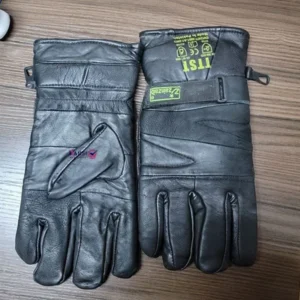
Leather Riders Gloves Kenya
Original price was: KSh 2,000.00.KSh 1,500.00Current price is: KSh 1,500.00. + VAT Order via WhatsApp -
Hand Protection Gloves Kenya, Leather Gloves, Safety Gloves
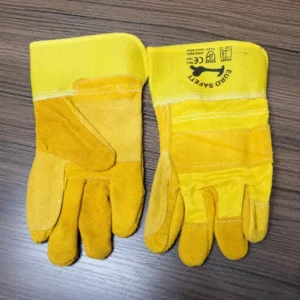
Yellow Palm Gloves Kenya
Original price was: KSh 500.00.KSh 300.00Current price is: KSh 300.00. + VAT Order via WhatsApp -
Hand Protection Gloves Kenya, Leather Gloves, Safety Gloves
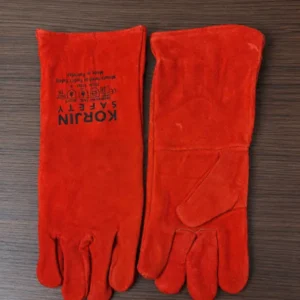
Red Leather Welding Gloves 16 Inch Kenya
Original price was: KSh 650.00.KSh 550.00Current price is: KSh 550.00. + VAT Order via WhatsApp
Safety Gumboots and Foot Protection
-
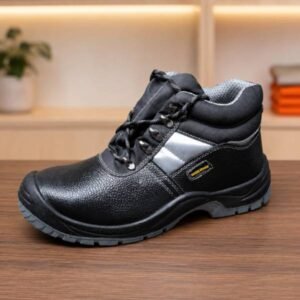
Foot Protection, Porcupine Safety Boots, Safety Boots For Women, Safety Boots in Kenya
Porcupine Ladies Safety Shoes Kenya
Original price was: KSh 3,500.00.KSh 2,999.00Current price is: KSh 2,999.00. + VAT Order via WhatsApp -
Foot Protection, Knicker Safety Boots, Safety Boots in Kenya
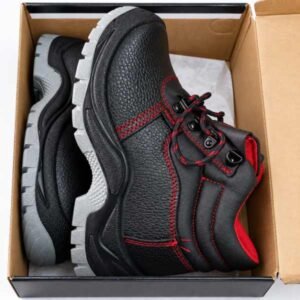
Knicker Safety Shoes
Original price was: KSh 3,500.00.KSh 2,200.00Current price is: KSh 2,200.00. + VAT Order via WhatsApp -
Foot Protection, Safety Boots in Kenya, Workman Safety Boots
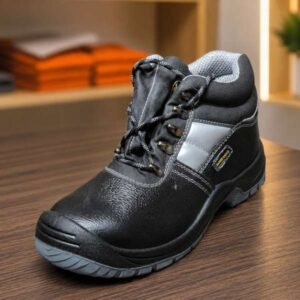
Workman Low Cut Safety Boots
Original price was: KSh 4,000.00.KSh 2,900.00Current price is: KSh 2,900.00. + VAT Order via WhatsApp -
Foot Protection, Safety Boots in Kenya, Ultimate Plus Safety Boots Kenya
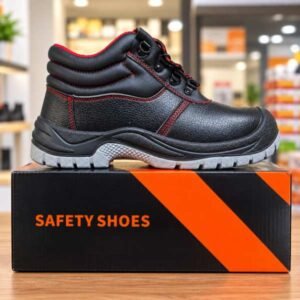
Ultimate Plus Steel Toe Safety Boots
Original price was: KSh 2,900.00.KSh 2,500.00Current price is: KSh 2,500.00. + VAT Order via WhatsApp


Protective Clothing and Safety Coveralls
-
Protective Clothing, Raincoats in Kenya
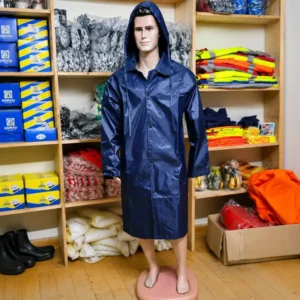
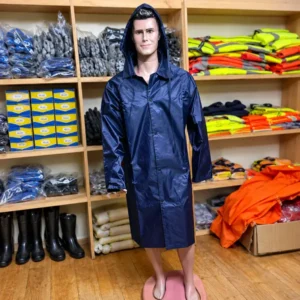
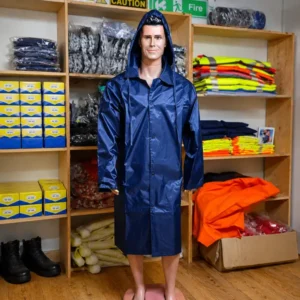
Buy Raincoats Kenya
Original price was: KSh 1,500.00.KSh 1,100.00Current price is: KSh 1,100.00. + VAT Order via WhatsApp -
Protective Clothing, Raincoats in Kenya
Heavy Duty Raincoat Price Kenya
Original price was: KSh 1,500.00.KSh 1,100.00Current price is: KSh 1,100.00. + VAT Order via WhatsApp -
Protective Clothing, Raincoats in Kenya
PVC Raincoat Price in Kenya
Original price was: KSh 1,400.00.KSh 1,100.00Current price is: KSh 1,100.00. + VAT Order via WhatsApp -
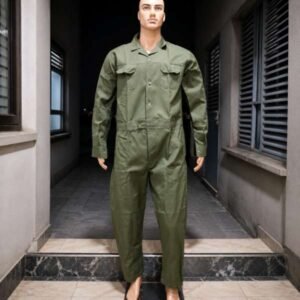
Plain Overalls in Kenya, Protective Clothing, Work Overalls & Safety Coveralls Kenya
Jungle Green Plain Overall
Original price was: KSh 1,500.00.KSh 1,100.00Current price is: KSh 1,100.00. + VAT Order via WhatsApp
Eye and Face Protection
-
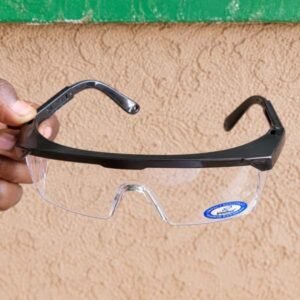
Eye Protection, Safety Glasses, Safety Goggles
Vaultex V406 Clear Safety Spectacles – EN 166
Original price was: KSh 400.00.KSh 300.00Current price is: KSh 300.00. + VAT Order via WhatsApp -
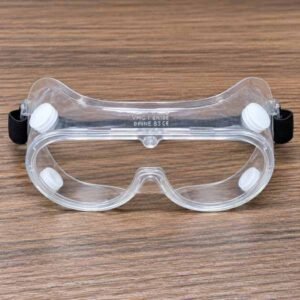
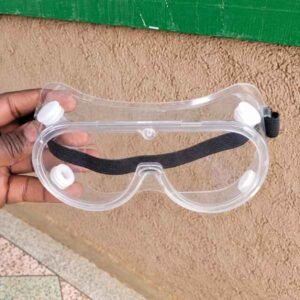
Eye Protection, Face Protection, Safety Glasses, Safety Goggles
Protective Safety Goggles
Original price was: KSh 500.00.KSh 280.00Current price is: KSh 280.00. + VAT Order via WhatsApp -
Eye Protection, Face Protection, Safety Goggles
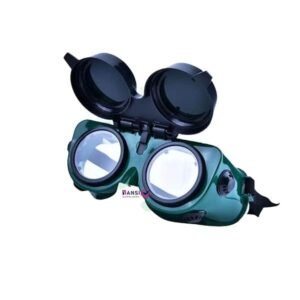
Welding Safety Goggles
Original price was: KSh 550.00.KSh 450.00Current price is: KSh 450.00. + VAT Order via WhatsApp -
Eye Protection, Face Protection
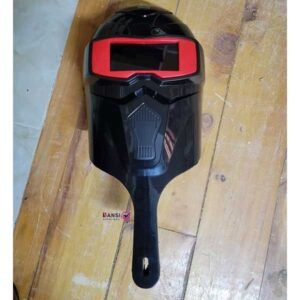
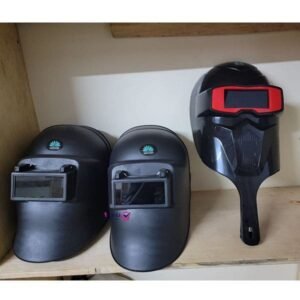
Handheld Welding Helmet Full Face Shield Mask
Original price was: KSh 800.00.KSh 655.00Current price is: KSh 655.00. + VAT Order via WhatsApp

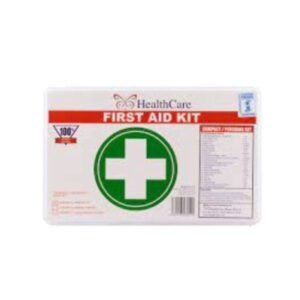
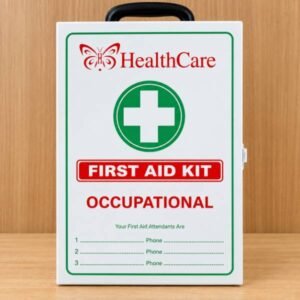
First Aid Equipment
-
First Aid Kit
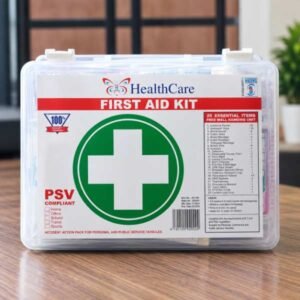
Medium First Aid Box – 25 Essential Items
Original price was: KSh 4,500.00.KSh 3,500.00Current price is: KSh 3,500.00. + VAT Order via WhatsApp -
First Aid Kit
Workers Occupational First Aid Kit
Original price was: KSh 8,500.00.KSh 7,900.00Current price is: KSh 7,900.00. + VAT Order via WhatsApp
How to Select PPE for Flower Farm Workers
Procurement and safety teams should evaluate the work activity, protection requirements and practical needs of the employee before purchasing.
1. Identify the Task
Define what the employee does, where the work is performed, how long the task lasts and whether the exposure is routine or occasional.
2. Identify the Hazard
Consider chemicals, dust, wet surfaces, sharp tools, cold conditions, noise, sunlight, machinery and other relevant risks.
3. Confirm Protection Requirements
Review the chemical label, safety data sheet, workplace assessment, product documentation and responsible safety team's requirements.
4. Check PPE Compatibility
Respirators, goggles, face shields, gloves and coveralls should work together without interfering with fit, movement or protection.
5. Select Correct Sizes
Collect worker sizes before ordering and consider fit testing or wearer checks where required for respiratory protection.
6. Plan Inspection and Replacement
Define how PPE will be inspected, cleaned, stored, replaced and recorded before the products are issued to employees.
Flower Farm PPE Best Practices
PPE should be supported by correct selection, training, supervision, inspection, storage and timely replacement.
Inspect Before Use
Check reusable PPE before each shift and remove damaged, contaminated, expired or unsuitable items from service.
Train Employees
Workers should understand when PPE is required, how to put it on, how to remove it safely and how to report defects.
Store PPE Correctly
Protect PPE from chemicals, direct sunlight, moisture, contamination, deformation, dirt and unsuitable temperatures.
Replace When Necessary
Use manufacturer instructions, inspection findings, expiry dates, contamination events and work conditions to guide replacement.
Maintain Issue Records
Record employee names, departments, sizes, issue dates, product types, inspections and replacement dates.
Review Requirements Regularly
Reassess PPE whenever chemicals, tasks, equipment, work areas or operating procedures change.
Flower Farm PPE Checklists and Resources
Use practical resources to organise PPE requirements, inspections, replacement planning and quotation preparation.
Flower Farm PPE Checklist
Organise PPE requirements by department, job role, hazard, quantity, size and product specification.
Daily PPE Inspection Form
Record inspections, defects, contamination, corrective action and replacement requirements.
PPE Replacement Schedule
Track issue dates, inspection dates, expected replacement, responsible department and stock requirements.
Chemical Handling Checklist
Review PPE, chemical labels, safety data sheets, eyewash, spill response and emergency arrangements.
Flower Farm PPE Questions
Answers to common questions from farm managers, procurement teams, supervisors and workplace-safety personnel.
What PPE is commonly used on flower farms?
Common products include gloves, gumboots, overalls, respirators, goggles, face shields, aprons, cold-room clothing, first aid products and safety signs. Requirements vary by task and hazard.
What PPE is required for pesticide spraying?
Selection should follow the product label, safety data sheet and workplace assessment. It may include a suitable respirator, chemical-resistant gloves, protective coveralls, eye or face protection and chemical-resistant footwear.
Can one respirator be used for every agricultural chemical?
No. Respirator selection depends on the contaminant, concentration, filter or cartridge type, product instructions and workplace assessment.
How often should respirator filters be replaced?
Replacement should follow the manufacturer's instructions and an established change schedule. Damaged, contaminated or difficult-to-breathe- through filters should be removed from use.
Which gloves are suitable for chemical handling?
Glove material should be selected for the specific chemical and task. Review the chemical information, glove compatibility data and manufacturer guidance.
Are ordinary fabric gloves suitable for pesticide mixing?
Fabric gloves may absorb chemicals and may not provide suitable protection. Use gloves specifically selected for the chemical and task.
What PPE is suitable for greenhouse workers?
Depending on the activity, greenhouse workers may require gloves, gumboots, lightweight protective clothing, eye protection and additional task-specific PPE.
What PPE is recommended for harvesting teams?
Harvesting teams may require suitable gloves, protective sleeves, gumboots, overalls and eye protection based on the tools and plant material handled.
What PPE is needed in a flower-farm packhouse?
Packhouse requirements may include gloves, aprons, protective clothing, suitable footwear and eye protection depending on trimming, chemical, cleaning and handling activities.
What PPE should cold-room workers wear?
Cold-room workers may require insulated jackets, thermal gloves, thermal overalls, suitable footwear and head or neck protection, together with controlled exposure procedures.
How often should flower-farm PPE be inspected?
Reusable PPE should normally be checked before use and inspected according to the farm procedure and manufacturer instructions.
When should PPE be replaced?
Replace PPE when it is damaged, contaminated, expired, no longer fits, fails inspection or reaches the replacement point specified by the manufacturer.
Can PPE be shared between workers?
Sharing may create hygiene, fit and contamination problems. Where sharing is permitted, suitable cleaning, disinfection, inspection and fit procedures are required.
How should chemical PPE be removed after spraying?
The farm should establish a removal and decontamination procedure that prevents contaminated surfaces from contacting the skin or clean clothing.
Where should flower-farm PPE be stored?
Store PPE in a clean, dry and controlled area away from direct sunlight, chemicals, contamination, excessive heat and physical damage.
What should be included in a flower-farm first aid kit?
Contents should reflect the farm's risk assessment, workforce size, work areas and emergency plan. Kits should be inspected and replenished regularly.
Where should emergency eyewash be provided?
Eyewash should be considered where employees may be exposed to chemical splashes or irritating substances, with placement based on the farm's assessment and procedure.
Can Bansi Safety Gear quote for several departments together?
Yes. You may submit one consolidated list covering greenhouse, spraying, harvesting, packhouse, cold room, maintenance and emergency-response requirements.
Can we submit an Excel PPE schedule or BOQ?
Yes. Submit your product list, Excel schedule, BOQ, purchase requisition or other structured requirement for quotation.
Can Bansi Safety Gear help organise product requirements?
Bansi Safety Gear can help structure product requirements and identify suitable product options. Final approval should remain with the responsible workplace-safety or technical professional.
Submit Your Flower Farm PPE Requirements
Send your PPE list, quantities, sizes, preferred brands, required standards, delivery location and supporting documents for a structured quotation.
Information to Include
- Farm or company name
- Department or work area
- Product descriptions
- Required quantities and sizes
- Preferred brand or acceptable equivalent
- Required standards or technical documents
- Delivery location and required date
You may upload your RFQ, BOQ, Excel PPE schedule, purchase requisition, product list or LPO draft using the quotation form.
Email:
procurement@bansisafetygear.co.ke
Phone:
0797 619 609
Flower Farm PPE Quotation Form
Complete the form below and upload your RFQ, BOQ, PPE schedule or product list. Our procurement team will review your requirements and prepare a tailored quotation.
Equip Your Flower Farm With the Right PPE
Speak to Bansi Safety Gear for flower farm PPE, safety equipment, structured quotations and product support for greenhouse, spraying, harvesting, packhouse, cold-room and maintenance teams.