
EN 812 vs EN 397
Understanding EN 812 vs EN 397 is important when choosing head protection for workplaces such as warehouses, construction sites, factories, workshops, maintenance departments and engineering facilities.
Although bump caps and industrial safety helmets both protect the head, they are designed for different hazards and should not automatically be used interchangeably.
In simple terms:
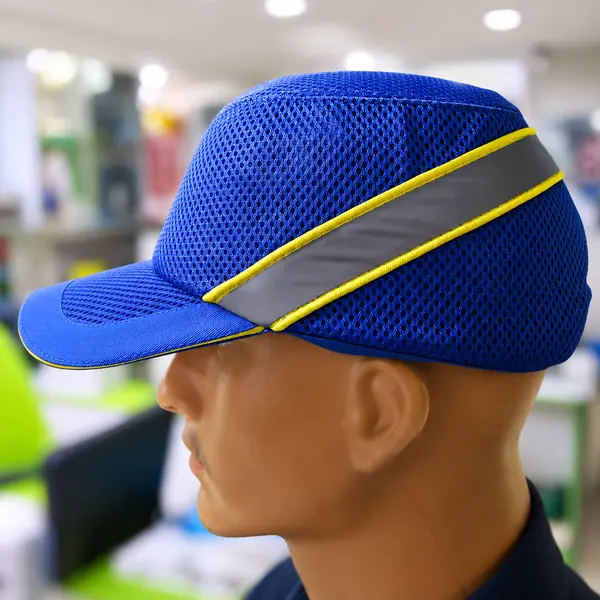
EN 812 is associated with industrial bump caps intended for suitable environments where workers may accidentally strike their heads against fixed objects.
EN 397 is associated with industrial safety helmets designed for workplace hazards including falling objects and related head-impact risks.
Choosing between them should therefore begin with the actual workplace hazard, not appearance, comfort or price.
For available products, browse Head Protection Equipment in Kenya.
EN 812 vs EN 397 at a Glance
| Feature | EN 812 | EN 397 |
|---|---|---|
| Product type | Industrial bump cap | Industrial safety helmet |
| Main purpose | Protection against impact with fixed objects | Protection against falling objects and industrial head hazards |
| Typical product | Baseball-style or industrial bump cap | Hard hat / industrial safety helmet |
| Falling-object protection | Not a substitute for an industrial safety helmet | Designed around industrial helmet protection requirements |
| Typical workplaces | Warehouses, workshops, maintenance, low-clearance areas | Construction, manufacturing, engineering, utilities, industrial sites |
| Common hazard | Worker strikes head against stationary object | Object falls or impacts worker’s head |
| Should one replace the other? | No | No |
The exact product specification should always be checked before purchasing.
What Is EN 812?
EN 812 is a European standard associated with industrial bump caps.
Bump caps are intended for suitable working environments where employees may accidentally strike their heads against stationary objects.
Examples can include:
- Shelving
- Storage racking
- Low beams
- Pipework
- Machinery housings
- Vehicle interiors
- Fixed equipment
- Low-clearance structures
Many EN 812 bump caps resemble ordinary baseball caps but contain a protective internal shell or insert.
Their lightweight appearance can make them more comfortable in appropriate environments, but they should not be confused with industrial safety helmets.
Browse Bump Caps in Kenya for available products.
What Does EN 812 Protect Against?
EN 812 bump caps are associated with protection against certain impacts caused by the wearer striking their head against fixed objects.
For example, a technician working beneath pipework may accidentally stand up and hit a fixed pipe.
A warehouse employee may strike their head against shelving or a low structure.
An automotive technician may hit their head against part of a vehicle or workshop equipment.
These are different hazards from an object falling onto a worker’s head.
Where falling objects or other helmet-level hazards exist, a suitable industrial safety helmet should be considered instead.
What Is EN 397?
EN 397 is commonly referenced for industrial safety helmets.
These helmets are designed for industrial environments where workers may be exposed to hazards such as falling objects and other relevant head-impact risks.
EN 397 helmets are commonly used in environments such as:
- Construction sites
- Manufacturing plants
- Engineering facilities
- Utilities
- Maintenance operations
- Industrial projects
- Contractor work zones
- Selected warehouse operations
Industrial helmets should still be selected according to the exact workplace hazard and product specification.
Browse Safety Helmets in Kenya to compare available helmet models, colours and specifications.
What Does EN 397 Cover?
Industrial safety helmets meeting EN 397 are tested against requirements relevant to industrial head protection.
These include areas such as:
- Shock absorption
- Resistance to penetration
- Flame resistance
- Helmet retention-related requirements
Certain helmets may also have additional optional performance characteristics depending on the exact product.
Do not assume every EN 397 helmet provides identical protection against every workplace hazard.
Always check the exact model, markings and manufacturer documentation.
The Most Important Difference: Fixed Objects vs Falling Objects
The easiest way to understand EN 812 vs EN 397 is to look at where the impact comes from.
EN 812 Scenario
The worker moves into a fixed object.
Examples:
- Worker stands up beneath shelving
- Technician strikes a pipe
- Mechanic contacts the underside of a vehicle
- Maintenance employee hits a low beam
A suitable bump cap may be appropriate where this is the identified hazard.
EN 397 Scenario
An external object may strike the worker’s head.
Examples:
- Tool falls from above
- Construction material falls
- Worker operates beneath overhead activities
- Objects may drop during industrial operations
These situations may require an industrial safety helmet rather than a bump cap.
Can an EN 812 Bump Cap Replace an EN 397 Helmet?
No.
An EN 812 bump cap should not be used as a replacement for an EN 397 industrial safety helmet where helmet-level protection is required.
Bump caps may be:
- Lighter
- More ventilated
- Lower profile
- Similar in appearance to normal caps
- Comfortable for extended use
But comfort does not change the intended protection.
The product should always match the identified hazard.
For a broader product comparison, read Bump Cap vs Safety Helmet.
Can an EN 397 Helmet Replace a Bump Cap?
The question should not simply be whether one product provides “more protection.”
PPE selection should consider:
- Actual workplace hazard
- Work activity
- Environment
- Fit
- Retention requirements
- Compatibility with other PPE
- Required standard
- Employer or project specification
A risk assessment should determine the appropriate product.
EN 812 Bump Caps for Warehouses
Warehouses can contain several different types of head hazards.
Some workers may operate around:
- Fixed shelving
- Low beams
- Storage racking
- Vehicle interiors
- Machinery
- Low-clearance structures
Where accidental contact with fixed structures is the main hazard, a suitable bump cap may be considered.
However, another part of the same warehouse may involve:
- Falling products
- Overhead storage
- Installation work
- Construction activities
- Elevated maintenance
These areas may require a safety helmet.
Do not automatically issue the same type of head protection to every employee simply because they work in the same warehouse.
EN 812 Bump Caps for Maintenance Work
Maintenance personnel often move through environments containing:
- Pipework
- Machinery
- Plant rooms
- Cabinets
- Building services
- Low structures
- Technical spaces
A bump cap may be appropriate for some maintenance activities where fixed-object contact is the main identified risk.
Other tasks may require industrial helmets or specialist head protection.
Selection should follow the task rather than the employee’s job title.
EN 397 Helmets for Construction
Construction environments commonly involve hazards such as:
- Falling tools
- Overhead work
- Building materials
- Scaffolding
- Structural work
- Moving equipment
- Installation activities
These risks are different from the low-level fixed-object contact hazards normally associated with bump caps.
Where industrial safety helmet protection is required, select the correct helmet according to the site assessment, project specification and product documentation.
For wider site PPE, visit Construction PPE Kenya.
EN 397 Helmets for Manufacturing & Engineering
Manufacturing and engineering workplaces can contain different head hazards across different departments.
Areas may include:
- Production floors
- Engineering sections
- Maintenance workshops
- Loading areas
- Stores
- Contractor zones
- Utility areas
One department may require industrial safety helmets while another low-clearance indoor area may be suitable for bump caps.
The correct PPE should be determined by the hazard rather than selecting one head-protection product for the entire company.
Does EN 397 Mean Electrical Protection?
Do not automatically assume that an EN 397 helmet provides specialist electrical protection.
Electrical head protection should be verified against the exact helmet specification and applicable requirements.
Where electrical work is involved, procurement teams should clearly state the electrical protection requirement and review the manufacturer’s technical documentation before purchasing.
Does EN 812 Mean Every Bump Cap Is Certified?
No.
A product should only be described or purchased as EN 812 compliant where the exact model is appropriately marked or supported by relevant manufacturer documentation.
Do not assume compliance simply because:
- The product is called a bump cap
- It contains an internal plastic insert
- It looks similar to another certified product
- A supplier uses the words “safety cap”
Verify the exact model.
How to Check Whether a Product Meets EN 812 or EN 397
When certification is important to a company, project or tender, check:
1. Exact Product Model
Identify the manufacturer and exact model being quoted.
2. Product Markings
Check the markings on the product itself.
3. Manufacturer Datasheet
Review the technical information for the exact model.
4. Supporting Documentation
Where appropriate, request relevant certification or conformity documentation.
5. Tender Requirement
Compare the offered product against the exact standard or specification requested.
6. Product Application
Confirm that the PPE is suitable for the actual workplace hazard.
For broader standards guidance, visit our PPE Certification & Safety Standards Kenya centre.
EN 812 vs EN 397: Which Should You Choose?
Start with this sequence:
Work Activity → Head Hazard → Required Protection → Applicable Standard → Exact Product → Fit → Compatibility
Choose a Bump Cap Where Appropriate
A suitable EN 812 bump cap may be considered where the identified risk involves accidental contact with fixed objects.
Choose an Industrial Safety Helmet Where Required
An EN 397 industrial safety helmet may be required where workers face hazards involving falling objects or other industrial helmet-level risks.
Do not choose between the two based only on:
- Price
- Appearance
- Weight
- Colour
- Comfort
- Brand name
The hazard should come first.
Buying EN 812 Bump Caps in Kenya
Bansi Safety Gear supplies selected bump caps for suitable workplaces including:
- Warehouses
- Automotive workshops
- Maintenance companies
- Engineering businesses
- Logistics operations
- Manufacturers
- Institutions
Browse Bump Caps in Kenya for available products and current prices.
Where EN 812 is specifically required, verify the exact product before ordering.
Buying EN 397 Safety Helmets in Kenya
Bansi Safety Gear supplies industrial safety helmets for suitable applications in:
- Construction
- Manufacturing
- Engineering
- Utilities
- Industrial maintenance
- Warehousing
- Project work
- Contractor operations
Browse Safety Helmets in Kenya for available models and current prices.
For larger requirements, visit our Safety Helmet Supplier in Kenya page.
Frequently Asked Questions
What is the difference between EN 812 and EN 397?
EN 812 is associated with industrial bump caps intended for suitable fixed-object impact hazards. EN 397 is associated with industrial safety helmets used for hazards including falling objects.
Is EN 812 the same as EN 397?
No. They apply to different types of head protection and should not be treated as equivalent standards.
Can an EN 812 bump cap replace an EN 397 helmet?
No. A bump cap should not replace industrial helmet-level protection where the identified hazard requires a safety helmet.
What does EN 812 mean on a bump cap?
It indicates that the exact bump-cap model has been assessed against the applicable industrial bump-cap requirements associated with EN 812.
What does EN 397 mean on a safety helmet?
It indicates that the industrial safety helmet is designed and assessed according to the applicable EN 397 requirements for industrial safety helmets.
Which is suitable for falling objects?
Where falling objects are an identified hazard, an appropriately specified industrial safety helmet should be used rather than an EN 812 bump cap.
Which is suitable for low beams and shelving?
A bump cap may be suitable where the main identified hazard is accidental impact with fixed objects such as beams or shelving.
Are bump caps suitable for construction sites?
A bump cap should not replace a safety helmet where construction hazards require industrial helmet-level protection.
Are EN 397 helmets electrically insulated?
Do not assume this from EN 397 alone. Verify the electrical properties and applicable certification of the exact helmet model.
How do I know whether a helmet or bump cap is certified?
Check the exact product markings, model information and relevant manufacturer documentation.
EN 812 vs EN 397 – Choose Head Protection by Hazard
The key difference is simple:
EN 812 → Industrial bump caps for suitable fixed-object impact hazards
EN 397 → Industrial safety helmets for hazards including falling objects
Neither product should be selected only by appearance or price.
Identify the hazard first, confirm the required standard and then verify the exact product specification.
Browse:
Head Protection Equipment in Kenya
PPE Certification & Safety Standards Kenya
For company, tender or project requirements, Request a PPE Quotation.
Bansi Safety Gear — Gear Up. Stay Safe. Get It Done.




Comment (1)
[…] For the standards distinction, read EN 812 vs EN 397. […]