How to Identify Genuine Safety Items and Avoid Counterfeits
Kenya’s growing demand for safety gear — from construction sites to schools — has unfortunately led to a surge in counterfeit PPE (Personal Protective Equipment) flooding the market.
While fake safety items might look real, they often fail to meet KEBS or OSHA Kenya standards, putting lives at risk. A cracked helmet, weak gloves, or non-reflective vest could mean the difference between life and death during an accident.
In this guide, Bansi Safety Gear explains how to spot genuine safety items, avoid fake ones, and ensure your workplace remains fully protected and compliant.
The Danger of Counterfeit Safety Items
Fake safety items are not just a waste of money — they are dangerous. Here’s why counterfeit PPE is a growing concern in Kenya:
- ❌ No protection: Made with poor-quality materials that can’t withstand impact or heat.
- ❌ Lack of certification: No KEBS or ISO compliance, meaning they fail local safety standards.
- ❌ Short lifespan: Wear out quickly and offer unreliable protection.
- ❌ Legal risk: Using fake PPE can lead to non-compliance with OSHA Kenya laws.
Fact: According to the Anti-Counterfeit Authority (ACA), over 20% of PPE sold in informal markets may be counterfeit or substandard.
How to Identify Genuine Safety Items in Kenya
Here are the 7 key ways to distinguish authentic, certified safety gear from fake ones before you buy.
1. Check for KEBS or ISO Certification Marks
Every genuine safety item must have a KEBS standardization mark or ISO certification number printed on the product or packaging.
- Look for the KEBS diamond mark of quality (S-Mark)
- Verify the product’s code via the KEBS “Verify Product” SMS system (20023)
Example: Send the product’s permit number (e.g., SM12345) to 20023 to confirm authenticity.
2. Inspect the Packaging Quality
Original PPE products come in sealed, professional packaging with brand details, safety instructions, and batch numbers.
Counterfeits often have:
- Spelling errors or blurry logos
- Missing safety certifications
- Low-quality printing
Tip: Always keep the box or tag for record and warranty claims.
3. Verify the Supplier
Buy only from authorized distributors or certified safety suppliers. Genuine suppliers provide invoices, data sheets, and warranties.
Avoid:
- Open-air markets with no receipts
- Unverified online sellers on social media
- Vendors who can’t provide KEBS approval documents
Bansi Safety Gear is a verified supplier of KEBS- and OSHA-certified PPE in Kenya.
4. Feel the Build Quality
Original safety gear feels durable and well-made:
- Helmets have sturdy shells and adjustable straps
- Gloves are double-stitched
- Reflective vests shine brightly under light
Fake ones may feel too light, soft, or uneven in texture — a clear warning sign.
5. Check Expiry and Batch Numbers
Yes, PPE has expiry dates! Items like helmets, gloves, respirators, and masks lose effectiveness over time.
- Expiry date and batch number should be visible on packaging or inside the product.
- Always check before purchasing, especially if buying in bulk.
6. Compare Prices
If the deal sounds too good to be true — it probably is.
Counterfeit PPE is often sold 40–60% cheaper than genuine items.
Investing in authentic gear may cost more upfront but saves lives and reduces legal risks.
Pro Tip: Always prioritize value over price — quality PPE lasts longer and performs better.
7. Request Certification Documents
Authentic suppliers can provide:
- Product datasheets
- KEBS or ISO compliance certificates
- Manufacturer warranties
At Bansi Safety Gear, every order includes proof of certification and a warranty for peace of mind.
Common Fake Safety Items to Watch Out For
Some of the most commonly counterfeited items in Kenya include:
- Safety helmets — thin plastic, no inner padding
- Reflective vests — dull color, no reflectivity
- Gloves — weak seams, non-resistant material
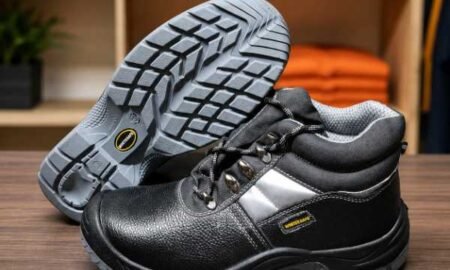
- Safety boots — fake steel toe, slippery soles
- Dust masks — single-layer fabric without filters
Always buy from trusted stores to avoid putting your team in danger.
Consequences of Using Counterfeit PPE
The risks go beyond poor protection:
- Workplace injuries and fatalities
- Legal penalties for OSHA non-compliance
- Loss of employee trust
- Damaged company reputation
- Increased replacement costs
OSHA Kenya (2007) requires all employers to supply PPE that meets certified safety standards — using fake items violates the law.
Why Choose Bansi Safety Gear for Genuine PPE in Kenya
As a trusted safety gear supplier in Kenya, Bansi Safety Gear guarantees:
✅ 100% KEBS-certified and OSHA-compliant products
✅ Official distributor partnerships with leading PPE brands
✅ Bulk supply and nationwide delivery
✅ Authenticity verification support
Whether you need helmets, gloves, or reflective jackets — we deliver tested, genuine, and reliable safety items every time.
👉 Contact Bansi Safety Gear today to verify your PPE or request a genuine safety item quote.
Where to Buy Genuine Safety Items in Kenya
Available in: Nairobi, Mombasa, Kisumu, Nakuru, Eldoret, and online.
You can visit our stores or order through our website for fast, verified delivery.
Popular Categories:
- Industrial PPE
- Reflective gear for transport
- Safety boots and gloves
- Fire and emergency equipment
Always ask for KEBS certification — we’ll provide it with every purchase.
Final Thoughts
Fake safety items can cost lives — but genuine ones save them.
Before buying PPE, check certification, inspect quality, and verify suppliers.
At Bansi Safety Gear, we’re committed to keeping Kenyans safe with only authentic, certified safety gear that meets national and international standards.
Stay safe. Stay compliant. Choose genuine PPE.


Leave a Reply